Its almost as if Donny isn't serving the interests of America, but instead serving someone else?The leaders of China Russia and N Korea are arm in arm at a communist military parade with weapons specifically designed to destroy the US… Meanwhile our administration has declared war against offshore windmills.

Navigation
Install the app
How to install the app on iOS
Follow along with the video below to see how to install our site as a web app on your home screen.
Note: This feature may not be available in some browsers.
More options
You are using an out of date browser. It may not display this or other websites correctly.
You should upgrade or use an alternative browser.
You should upgrade or use an alternative browser.
Fu*%face Von Clownstick
- Thread starter Nish
- Start date

Matias
Been here much more than a while
- Location
- Silicon Valley
Like his namesake Donny QuixoteThe leaders of China Russia and N Korea are arm in arm at a communist military parade with weapons specifically designed to destroy the US… Meanwhile our administration has declared war against offshore windmills.
Matias
Been here much more than a while
- Location
- Silicon Valley
I just discovered this channel and boy howdy do they make it easier to pay attention to this shit.

Evo
Been here much more than a while
- Location
- My Island, WA
Trump's DOJ did this a day or 2 after the sacrificial distraction (Kirk killing).

 www.theguardian.com
US justice department removes study finding far-right extremists commit ‘far more’ violence
Report finding rightwing extremists have killed more Americans than other domestic terrorist groups vanished from DoJ website
www.theguardian.com
Colbert was conspicuously cancelled whlie getting federal approval of a sale, does anyone know if the Kimmel deletion was due to the $2billion tRump cryptocurrency from the UAE to get AI chips? I think hie NYTimes approx @20 billion lawsuit is over reporting the crypto/AI chips transaction (?)
We need these shows to preserve our sanity. See the field sized tRump Epstein photo at the castle in England? The floating baby balloon is back!
I remembered my mute tv reflex from his last term. prevents the insult of hearing his bs. you know the saying, if his mouth is moving then ...
Do you think he's going to go all the way and pull a Putin and do a permanent 3rd term? He's showing signs of it.
We need these shows to preserve our sanity. See the field sized tRump Epstein photo at the castle in England? The floating baby balloon is back!
I remembered my mute tv reflex from his last term. prevents the insult of hearing his bs. you know the saying, if his mouth is moving then ...
Do you think he's going to go all the way and pull a Putin and do a permanent 3rd term? He's showing signs of it.

Stumpsprouts
Been here much more than a while
- Location
- Asheville
I thought you had mistyped $20B instead of $20M. $20B? What planet??Colbert was conspicuously cancelled whlie getting federal approval of a sale, does anyone know if the Kimmel deletion was due to the $2billion tRump cryptocurrency from the UAE to get AI chips? I think hie NYTimes approx @20 billion lawsuit is over reporting the crypto/AI chips transaction (?)
We need these shows to preserve our sanity. See the field sized tRump Epstein photo at the castle in England? The floating baby balloon is back!
I remembered my mute tv reflex from his last term. prevents the insult of hearing his bs. you know the saying, if his mouth is moving then ...
Do you think he's going to go all the way and pull a Putin and do a permanent 3rd term? He's showing signs of it.
If we fire enough Fed employees maybe we'll finally get someone to cook the books to show a good job report. Cause it ain't gonna happen due to economic policies!
And remember, if any of you report unfavorably about the length of the bread lines, you will be fed to the gators!

I stand corrected it was only $15billion against NYT and just got dismissed.
On Seth Myers it was explained that the FCC had to give special permission to flout the too much ownership laws for the networl's upcoming purchase, so they used that as leverage to drop Kimmel, at tRump's behest. The formal excuse was that it was wrong for Kimmel to criticise the maga folks for pumping the recent right wing extremist assassination for political mileage. Sorta like the 1% Canada fentanyl crisis. Imagine the huge tarriffs he's gonna hit the 99% fentanyl sources with!
I missed the Epstein tRump castle wall projection first go round. Now that's clever. and big!
I saw a pundit correlate tRump's current activities to Putin's power consolidation around 2000 and actually remembered the puppet comedy satire show getting axed by Putin asap back then. The Putin puppet was not flattering Then he axed more shows and whole networks to get the Russians in line with his plan. I think getting sick from poison and falling out of your airplane window came quite a bit further down the road.
found it
On Seth Myers it was explained that the FCC had to give special permission to flout the too much ownership laws for the networl's upcoming purchase, so they used that as leverage to drop Kimmel, at tRump's behest. The formal excuse was that it was wrong for Kimmel to criticise the maga folks for pumping the recent right wing extremist assassination for political mileage. Sorta like the 1% Canada fentanyl crisis. Imagine the huge tarriffs he's gonna hit the 99% fentanyl sources with!
I missed the Epstein tRump castle wall projection first go round. Now that's clever. and big!
I saw a pundit correlate tRump's current activities to Putin's power consolidation around 2000 and actually remembered the puppet comedy satire show getting axed by Putin asap back then. The Putin puppet was not flattering
Then he axed more shows and whole networks to get the Russians in line with his plan. I think getting sick from poison and falling out of your airplane window came quite a bit further down the road.found it


bobs yeruncle
Participating member
- Location
- Golden Horseshoe
and wait til you see little italy! italian flags everywhere, and i thought it was america. nightmarish

- Location
- Retired in Minneapolis
No place for any Kirk political sympathies. I never liked anything about him
Some truths Many different interpretations though.
Some truths Many different interpretations though.

treebing
Been here much more than a while
- Location
- Detroit, Mi.
Ilhan omar is a bad ass. Love her. We have Rashida Tlaib here in Detroit. She is a force too.
Comments?
Stumpsprouts
Been here much more than a while
- Location
- Asheville
1.6 B annual aid for Somalia is insaaaaane. That’s like half what Israel gets. Way too much.
Comments?
Everything else about this whatever to me. USA is and always will be a hodgepodge.
Kimmel got cancelled for saying not to politicise the Kirk assassination, well, on the surface, so tRump rents a stadium and holds a political rally funeral. With him as keynote speaker.
I once had an Italian immigrant "little italy" landlord who worked hard and owned two houses. Barely spoke english after decades here. One day we got talking and he peeled up his pant leg to show me the scar in his calf where a WW2 P52 Mustang or whatever strafed him!!! So I commented that it didn't upset him enough to alter his choice to move to north america. He apparently didn't hold a grudge. oh, yeah, I did ask, the bullet just went clean through.
Maybe tRump would get on board with a two state Israel/Palestine solution without Hamas if he could get dibs on building a trump tower Palestine? He earlier wanted a tRump resort Gaza strip. Maybe the tiny real estate grab would fly with the locals.
The dude in DSMc's post, what little of it I could tolerate listening to, has got to be a fit for the definition of spewing hate or trying his best to inspire it. I.e. he wouldn't be the mc of a local meet-your-ethnic-neighbours barbeque.
I once had an Italian immigrant "little italy" landlord who worked hard and owned two houses. Barely spoke english after decades here. One day we got talking and he peeled up his pant leg to show me the scar in his calf where a WW2 P52 Mustang or whatever strafed him!!! So I commented that it didn't upset him enough to alter his choice to move to north america. He apparently didn't hold a grudge. oh, yeah, I did ask, the bullet just went clean through.
Maybe tRump would get on board with a two state Israel/Palestine solution without Hamas if he could get dibs on building a trump tower Palestine? He earlier wanted a tRump resort Gaza strip. Maybe the tiny real estate grab would fly with the locals.
The dude in DSMc's post, what little of it I could tolerate listening to, has got to be a fit for the definition of spewing hate or trying his best to inspire it. I.e. he wouldn't be the mc of a local meet-your-ethnic-neighbours barbeque.
Last edited:

Trump apparently thinks domestic violence is not a crime. That makes sense | Moira Donegan
Trump’s view of the prerogatives of husbands towards their wives mirror his own sense of his entitlements as president towards his abused country
www.theguardian.com
Just as Charlie Kirk had every right to share his racist and misogynistic views, Illhan has every right to call him out on it. She also has a right and a duty to call out those who are attempting to white wash this mans words. We still have eyes and ears for gawd sake...
Comments?
Last edited:
- Location
- Retired in Minneapolis

Soldiers are doing landscaping in DC parks. I’m thrilled for them | Dave Schilling
They were deployed to fight crime. Instead, some are spreading mulch. It’s almost sweet – if you remove the context
www.theguardian.com
I wonder if the Natural Gardeners will be doing park and rec duties in other cities
Maybe we’ll see them in. The Twin Cities this winter. Shoveling sidewalks and skating rinks

Chris Schultz
Carpal tunnel level member
- Location
- Minturn
I find it so ironic all the Charlie Kirk dick riders finger pointing and making accusations before a suspect had even been apprehended…. saying how his death was the death of free speech…. Now countless people are losing their jobs, and/or educations for exercising their rights to free speech. That “man”was one molecule away from rat shit, Prove Me Wrong-
Last edited:
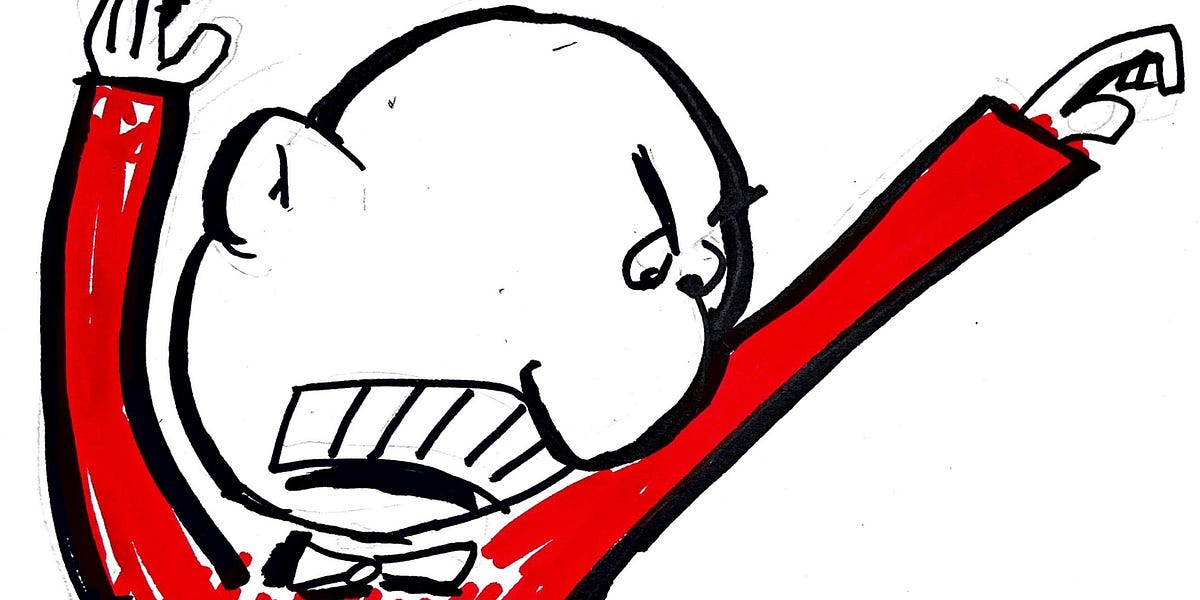
The sleeping giant is awakening
After a week of authoritarian excess, the nation is turning on Trump
 robertreich.substack.com


