macswan
Been here a while
- Location
- Champlain Valley, VT
I have a couple of those, and they seem pretty beefy. I stick with the ones from companies that don't actually make climbing gear. I want that sucker to break.

Follow along with the video below to see how to install our site as a web app on your home screen.
Note: This feature may not be available in some browsers.
I have a couple of those, and they seem pretty beefy. I stick with the ones from companies that don't actually make climbing gear. I want that sucker to break.

Funny, Ryan, you should remember this view: the other two doug fir stumps were your work couple of years ago. Our customer decided to leave the last one as there were no root issues then. I guess the moral of the story is don't leave the last one standing!I think Evo is on the right track. I've used the Buckingham break away lanyards, mini bikers, and various break away mechanisms but thankfully haven't had to utilize that feature yet.
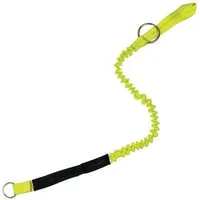
Yates used to make the aid screamer. That one was designed to rip at low forces.
Sent from my iPhone using Tapatalk
Wouldn't the yates screamer still essentially attach you to the stem? I want to break cleanly free from the stem, not have my flipline around the stem attached to a screamer, attached to my d-ring as the whole thing is piling toward the ground. What happens when the screamer reaches its limit? Does it stop or does it at that point break free?What about using a yates screamer. Very carefully cut the webbing so the stitching is the only thing holding it together, and when activated it separates.
I'm thinking that the failsafe should fail at a very low point--125 lbs or so. The thinnest oval links I know of would handle loads far greater than this.Perfect opportunity for DSRT.
I think you made a good choice of tie in. Another option is an Oval Link with a low rating on it. Maybe buy a handful and do a partial batch test on your own? I've heard some of those little non-rated links breaking pretty high. At least it would be locking for reliability, but break-away when potentially needed?
I guess the DSRT would keep you compliant and the positioning just for positioning and not life support.


Girth hitch a molly of 150 lb. test to the d ring. Clean solution, predictable failure, too.Never tried this one yet but I know you can get braided fishing line up to 500lbs in 20-50lbs jumps. Maybe something can be done with that.
150 lbs of molly?....be careful Mr. WardGirth hitch a molly of 150 lb. test to the d ring. Clean solution, predictable failure, too.

Don't hurt im!I'm going to test an accessory mini biner off a keychain from the hardware store.....like Mac hinted towards. My nephew is about 120 lbs. so he'll help me out : )
Can't say I've ever used one and I don't know how easily 150 lb monofilament will form a girth hitch on the D ring, actually. 150 lbs of molly....hilarious.150 lbs of molly?....be careful Mr. Ward
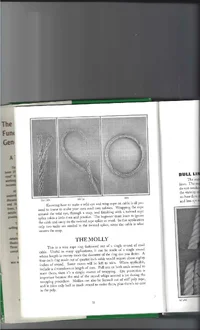
Thanks for that Chris....I never heard of it. Learn something new all the time


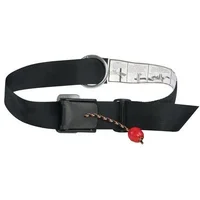
hI have clipped into my caritool or an accessory loop before. Hopefully they are weak enough to break before me. It would be nice if harnesses came with an accessory loop or two designed to fail at appropriate weights.
Oh yeah, the caritool will definately be breakaway! Oh wait; beat this subject to death already...I have clipped into my caritool or an accessory loop before. Hopefully they are weak enough to break before me. It would be nice if harnesses came with an accessory loop or two designed to fail at appropriate weights.