
- Location
- Retired in Minneapolis
I don't think the Frog would be a good choice. The two squeeze actions have to be too deliberateWhat about the Kong Frog, it can be released fairly quickly?

Follow along with the video below to see how to install our site as a web app on your home screen.
Note: This feature may not be available in some browsers.
I don't think the Frog would be a good choice. The two squeeze actions have to be too deliberateWhat about the Kong Frog, it can be released fairly quickly?

I agreeI don't think the Frog would be a good choice. The two squeeze actions have to be too deliberate
I agree
The Kong Frog would be sweet used as an easy on/easy off rope wrench tether : ) Just sayin'


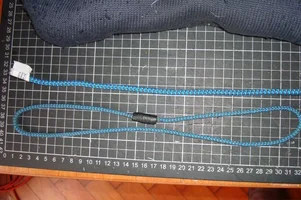
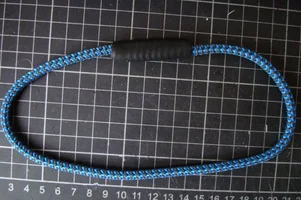
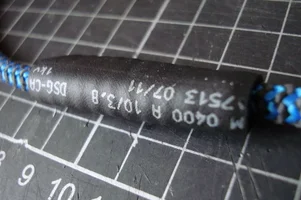
The topic of breakaway lanyards pops up routinely.
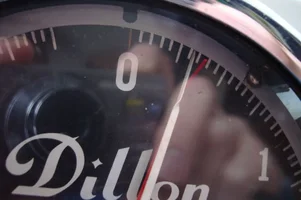
Many years ago Dave spencer suggested shower curtain rings. He did a static test by hanging a five gallon bucket with one and filling it with water until it broke. His conclusion was to use two of the rings he had bought. Of course a dynamic load would
Change the results.
If I were to ever be in a situation where I wanted a breakaway lanyard I would want the links at both ends of the lanyard to break. I might even take off any hardware too. If the Stem breaks and he lanyard breaks like I would plan I don't want pieces whipping around and smacking me

Richard, that looks sketchy to climb. On this recent leaner, I had my groundie looking at the tree and ready to scream if it starting moving. I think that once the stem begins to fail, the pressure is pretty immediate. I don't know that I could unclip that fast. Thus, the need for a failsafe. I liked Worthaug's suggestion of a trigger, like for the bigshot.I have done a few very sketchy dead pines and followed these discussions before. Pretty "ify" stuff predicting breakage and when it is needed and how it will happen. No clear answers for sure. What I did was practice like I was going to be in an old western quick draw with my lanyard, payed lots of attention to the tree I was on and hoped like hell I would sense it going south in time for me to "turn and shoot" (release my lanyard). For sure that second connection to another tree or trees means nothing when the one you are in wants to take you with it.

For sure, I used the two adjacent trees to make what would have been a circus trapeze if I had to use it plus the constant...is this thing going...worry was fun. I too like the idea of a fast but secure release. I'll go for that next time.Richard, that looks sketchy to climb. On this recent leaner, I had my groundie looking at the tree and ready to scream if it starting moving. I think that once the stem begins to fail, the pressure is pretty immediate. I don't know that I could unclip that fast. Thus, the need for a failsafe. I liked Worthaug's suggestion of a trigger, like for the bigshot.



Funny, Ryan, you should remember this view: the other two doug fir stumps were your work couple of years ago. Our customer decided to leave the last one as there were no root issues then. I guess the moral of the story is don't leave the last one standing!


Ive had situations in the past that have been similar and instead of a breakaway i just used the tail of my climbing line with a slipknot for a quick release .
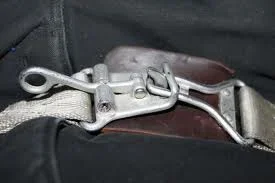
This thread got me a thinkin'. Back in my younger rodeo days me and some of my riding buddies came up with a concept to have a break away rigging that could be released in the event of a rider getting his hand hung up in the rope or riggin. We used a seat belt buckle from a C130 aircraft. Just attach some sort of lanyard to the release lever and viola!! It would have to be manually activated and of course the possibility of an accidental release is a very real possibility if the climber was up there fighting some heavy brush. Just wanted to add my two cents worth.View attachment 30411


