JD how does general protocol compare with yours?
A wound is an opening that is created when living bark is cut, penetrated, damaged, or removed.
THE 6X PROTOCOL FOR WOUND TREATMENT
• EXpose the wound by clearing away dirt, dead bark, and other obstructions. Use a trowel, screwdriver, or similar blunt hand tools. Stop if you hit signs of life such as hard, white tissue. Drying alone can be enough to speed CODIT
• EXamine vertical columns connecting roots and branches, woundwood growing around wounds near the surface, and any fluxing, frass, and cracks. Check horizontal cracks for signs of failure .
• EXcavate loose decayed tissue. If tissue appears living but damaged, do not disturb. Give the tree the benefit of the doubt. In cavities, first shine a light inside to search for spiders and other wildlife. Avoid disturbing wildlife that is nesting or protected. Reach in with a trowel to clear what is loose, if needed for visibility.
• EXcise, respecting the tree’s protective barriers. A swab can be used to collect DNA If collecting samples for DNA analysis. Apply heat to disinfect areas at the margins of active infections, using tools such as a hair drier or a blowtorch until tissue is dry, when the sizzling and steaming stops. Cut into living tissue to collect samples for laboratory analysis only if when necessary.
• EXtract information by recording images and measurements to reach a definite diagnosis and a range of mitigation options. According to the ZTV, “Before contracts begin, a definite diagnosis”
• EXhaustive specifications are written and potential treatments are prioritized. Add measurements and illustrations where possible. Wound treatments include:
Applying sealants to exposed wood to prevent cracking. Multiple coats are often required.
Drenching with minerals such as phosphorous acid, growth regulators such as Paclobutrazol, and fungicides such as prochloraz, which is approved for management of Armillaria in the UK.
Replacing soil in a ~6" radius around the flare with sterile porous aggregate, and deep aeration to improve drainage, for infections by water-borne agents such as Phytophthora.
Wounds seal more quickly when soil is modified. A common specification: “Make holes >12” deep and >5cm/2” wide. Fill with a blend 50% porous aggregate and 50% compost. Apply water under compression to mix with native soil.”
And in the attached; “Not quite, I’m studying infectious diseases, and these black bleeding lesions indicate fungal or bacterial activity,” I replied. “Lesions typically break out after root damage, but now they are showing up on the trunks of undamaged beech and oak and other trees, sometimes 50 ft (16 m) above WHAT’S THE SOLUTION? the ground! They’ve never tested positive for Phytophthora ramorum, but these symptoms resemble ‘sudden oak death’. In Europe, the bacterium Pseudomonas syringae is present in similar bleeding cankers on horsechestnut, Aesculus hippocastanum. Injecting those trees with garlic extract has shown some success.” “Well, that makes sense. After all, garlic necklaces can prevent bleeding from vampire bites!” Ashley added.


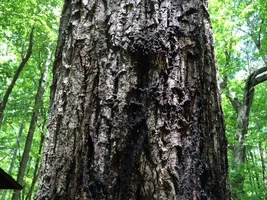
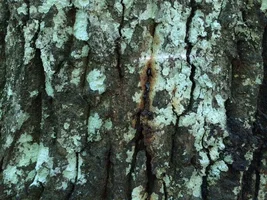
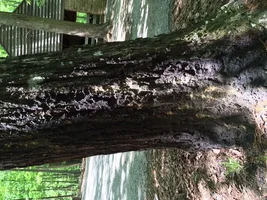
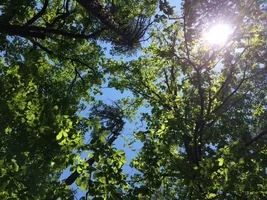
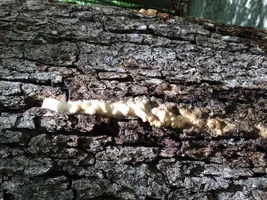 May is the season for frothy flux to flow. A cocktail of microbes enter the tree and kill the cambium. Dry it out or it can kill the tree. First pic is Quercus prinus, 90% girdled, on the way out, see crown thinning and scavengers moving in. Last pic is on a Q alba and will be treated.


