
Navigation
Install the app
How to install the app on iOS
Follow along with the video below to see how to install our site as a web app on your home screen.
Note: This feature may not be available in some browsers.
More options
You are using an out of date browser. It may not display this or other websites correctly.
You should upgrade or use an alternative browser.
You should upgrade or use an alternative browser.
Today....
- Thread starter Mark Chisholm
- Start date

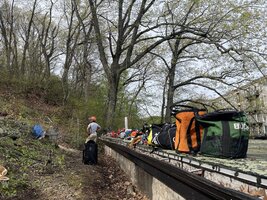
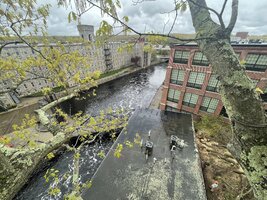
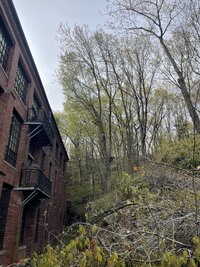
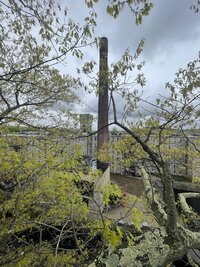
data farm 26
Been here a while
- Location
- the raft
Amazing. What's that tower's purpose?
Old mill buildings converted to high end apartments. My guess is, back in the day, it was an exhaust for whatever mountain of coal they burned per day to warm the place.Amazing. What's that tower's purpose?
data farm 26
Been here a while
- Location
- the raft
Cool, I love the east coast for that type of stuff.
Shadowscape
Been here a while
- Location
- far north
Not just the east coast.Cool, I love the east coast for that type of stuff.
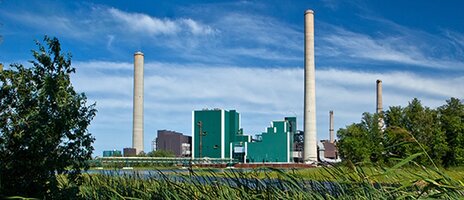
This is about 15 miles from my home in Northern MN. A friend of mine cleans the soot out of those stacks every year. Odd as it sounds, he is lowered down from the top with a shotgun and a few thousand rounds of bird shot. As he goes down he blasts the sides to knock loose the soot. He says it is not a fun job at all. It is a coal fired power plant that feed a goodly portion of this area.
And this one is in Duluth MN
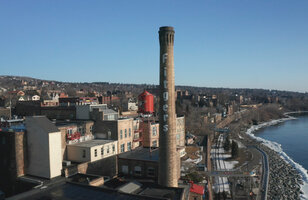
But that stack is not operational anymore.
data farm 26
Been here a while
- Location
- the raft
Very cool. My grandmother is from Virginia, MN. Duluth was the big city for them as kids.
I a guy dangling from a rope blasting soot off with a shot gun is, I can't tell if you're joking or not. Sounds like an awful job.
I a guy dangling from a rope blasting soot off with a shot gun is, I can't tell if you're joking or not. Sounds like an awful job.
Shadowscape
Been here a while
- Location
- far north
No joke.Very cool. My grandmother is from Virginia, MN. Duluth was the big city for them as kids.
I a guy dangling from a rope blasting soot off with a shot gun is, I can't tell if you're joking or not. Sounds like an awful job.
And Duluth still is the big city to go to around here.



Serf Life
Been here much more than a while
- Location
- Maine Island
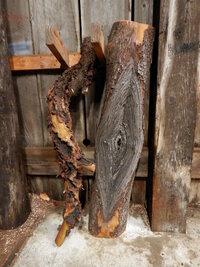
Pretty sure that Nectria sp. is native.? @KTSmith

Steve Connally
Been here much more than a while
- Location
- Suffolk, Virginia
@oceans Thats an amazing site
One hundo. Just yesterday, we were working around the corner of the building where the slope met the envelope quite high, making a transition from steep slope to 20’-ish vertical drop. We all had to be tied in to work on the ground except the winch operator.@oceans Thats an amazing site
Some trees were growing out of loose rock at that transition. We had to tip tie the winch line and butt tie the base to control overall swing and drag as not to hit the building or break any rock free. Even the thinner 6” trees were plenty challenging.
The job harkens back to the work I was invited to do with the great Maruichi crew and @SoftBankHawks. It was nice to have that prior experience…We just had to watch out for an old building instead of a speeding train!
Thanks for sharing the amazing photos of a very unique job site.One hundo. Just yesterday, we were working around the corner of the building where the slope met the envelope quite high, making a transition from steep slope to 20’-ish vertical drop. We all had to be tied in to work on the ground except the winch operator.
Some trees were growing out of loose rock at that transition. We had to tip tie the winch line and butt tie the base to control overall swing and drag as not to hit the building or break any rock free. Even the thinner 6” trees were plenty challenging.
The job harkens back to the work I was invited to do with the great Maruichi crew and @SoftBankHawks. It was nice to have that prior experience…We just had to watch out for an old building instead of a speeding train!
That’s what the Buzz is for. How’s your Firmageddon project coming along?Thanks for sharing the amazing photos of a very unique job site.

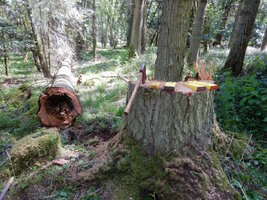

KTSmith
Branched out member
- Location
- Maine, New Hampshire
You bet, the asco experts consider the fungus that causes target canker to be native to North America as well as to northern Europe. That fungus was long-established as Nectria galligena but has had several transfers to now be cited as Neonectria ditissima. As with everything else, the more one looks, the more variation one sees. Safe bet that the Nectria-like fungi one sees are indeed native.Pretty sure that Nectria sp. is native.? @KTSmith
data farm 26
Been here a while
- Location
- the raft
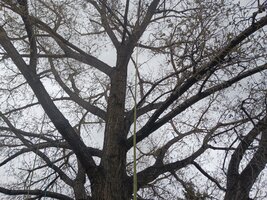
Climbed and pruned this big plains cottonwood with my brother today. Nice cloudy day, great customers and neighbors, was a nice way to end the week.
data farm 26
Been here a while
- Location
- the raft
It was kinda fun for sure. That tree would have been pretty tough for me solo but only having to focus on one section really helped me dial it in.


