southsoundtree
Been here much more than a while
- Location
- Olympia, WA
What do you suspect?
Follow along with the video below to see how to install our site as a web app on your home screen.
Note: This feature may not be available in some browsers.


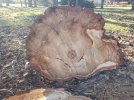
Nothing to add other than that’s beautiful wood with whatever caused that. Would be awesome to preserve a slab.I found this yesterday, Q. kelloggi, any ideas on what causes the pronounced black rings? The tree was in severe decline.
View attachment 75238
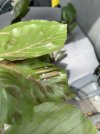
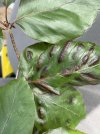
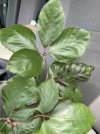
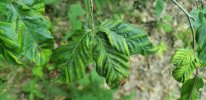
That looks more like erineum galling to meLooks like a clients tree got beech leaf disease this season View attachment 75876View attachment 75877View attachment 75878
I hope you’re right. But this seems more inter-veinal than galling and matches pretty well a co workers BLD find. It’s out to the lab to find out.That looks more like erineum galling to me


That’s actually how I spotted it, from below canopy and looking up. I’m hoping I’m wrong, client really likes the tree.you will see BLD better with the leaves backlit than those pics

@KTSmithWhat do you suspect?
BLDI hope you’re right. But this seems more inter-veinal than galling and matches pretty well a co workers BLD find. It’s out to the lab to find out.


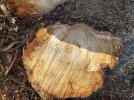
It amazes me how little wood can support a living tree. We removed a large oak (Red or Pin, I forget which) the other year that was infected with Ganoderma and barely still upright and found that at the stump there was less than ten linear inches of living cambium, yet the 4’ diameter tree was still living, and the canopy looked rather healthy.The linden cross section is great in showing how little sapwood was supporting the vitality of the stem.
Certainly may have been and deer rubbing could have been an issue as well.JD,
Many moons ago do you think Sunscald was at the forefront of the issue. Primary. Thin barked those 1st years.
My guess is girdling roots..Certainly may have been and deer rubbing could have been an issue as well.
This tree was chlorotic and barely growing for years, half to maybe two thirds the size of its companions so problems have been going on for years and years