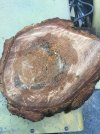
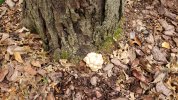
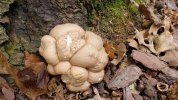
Basswood
Carpal tunnel level member
- Location
- Long island
Thanks @KTSmith, didn’t realize there was multiple genus for the stink horns. I learn a ton from this thread.

Follow along with the video below to see how to install our site as a web app on your home screen.
Note: This feature may not be available in some browsers.

Plants are amazing!Wonderful Monotropa! Maybe folks might like some background which to JD is old hat.
Perfectly self-respecting heath flowers (family Ericaceae). This is an unusual achlorophyllous genus which rather than making its own food through photosynthesis, it breaks down the carbohydrates formed by the mycorrhizal fungus...which in turn originated from photosynthesis by a green plant, probably a tree. So the mycorrhizal fungus provides a bridging function. The transfer of carbs from plant to fungus to plant (reciprocal translocation) was part of my dissertation topic. Sorry about that!
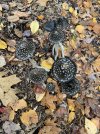
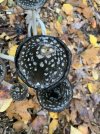
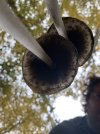
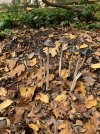

I think so? My trainee had an ID on it but I’m blanking on what he found.Caprinus spp.?

Sound like something out of a sci-fi novel. A nefarious organization casts its shadow over an unsuspecting cosmos, only one small ship stands in its way...universal veil
I have no idea, I'll go look again in a few daysWhoa almost looks like a type of puffball.
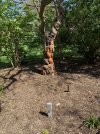
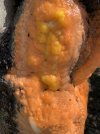
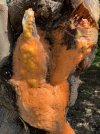
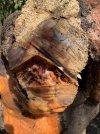
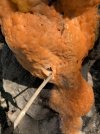
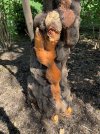
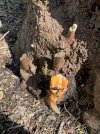

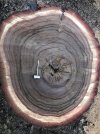


I’ve seen this before and for whatever reason I chalked it up to yeastSome slime mold at some pruning cuts on a styrax during a PHC visit. (I did not prune this tree)
View attachment 75231View attachment 75232View attachment 75233View attachment 75234View attachment 75235View attachment 75236View attachment 75237View attachment 75231
View attachment 75234View attachment 75236View attachment 75237