[ QUOTE ]
[ QUOTE ]
[ QUOTE ]
wasn't talking about double tie ins while cutting...while prying etc.
[/ QUOTE ]
Still more likely to get hurt cutting with a single tie in than when scaling (aka prying).
[/ QUOTE ]
Really?
[/ QUOTE ]
Don't have to be pissy about it, just trying to make a comment on your post, and they use scale bars, they don't call them pry bars or prying. That would be like calling an iron worker a steel worker.
[ QUOTE ]
Wonder how they deal with chafing of lines bent over sharp rocks? They probably have spotters above? That is why I would want to have a double tie in. Even with a spotter you can't see everything and the guy is constantly moving around.[ QUOTE ]
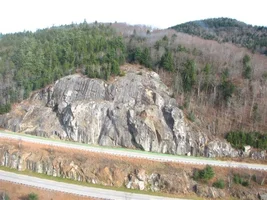
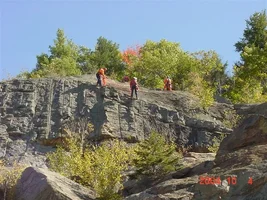
I have worked personally on jobs with these guys on 2 separate times for the NH DOT. They top rope over the face, just as if you were rock climbing, in fact the gear is the same. Their ropes are usually Petzl kernmantle; nylon rock climbing lines and they are anchored from a single point, which is usually a sound tree above. On projections where the face of the rock is sharp, they will put sleeve protectors over their lines to prevent chafing. Petzl Stop and I’D are the most common mechanical tools used for descending.
If no anchor is around, they will either set a ground anchor, or haul up a portable gin pole that can be assembled and set up above their work area. Remember, some of these cliffs are 100's of feet high and no crane is going to reach up there. There is an awful lot of gear hauling that can go on.
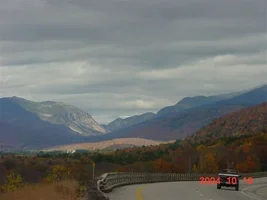
Yeah, I’m sure that a lot of those stones could stand for a hundred or more years with no problem, but if the DOT notices that rock (even small ones) seems to be a problem in certain areas, we will go through and do a rock scaling remediation project if the funds are available. We have every problematic site in NH, on State or Federal roads monitored on a yearly basis by registered professional geologists to insure that we are keeping the roads as safe as possible for motorists.