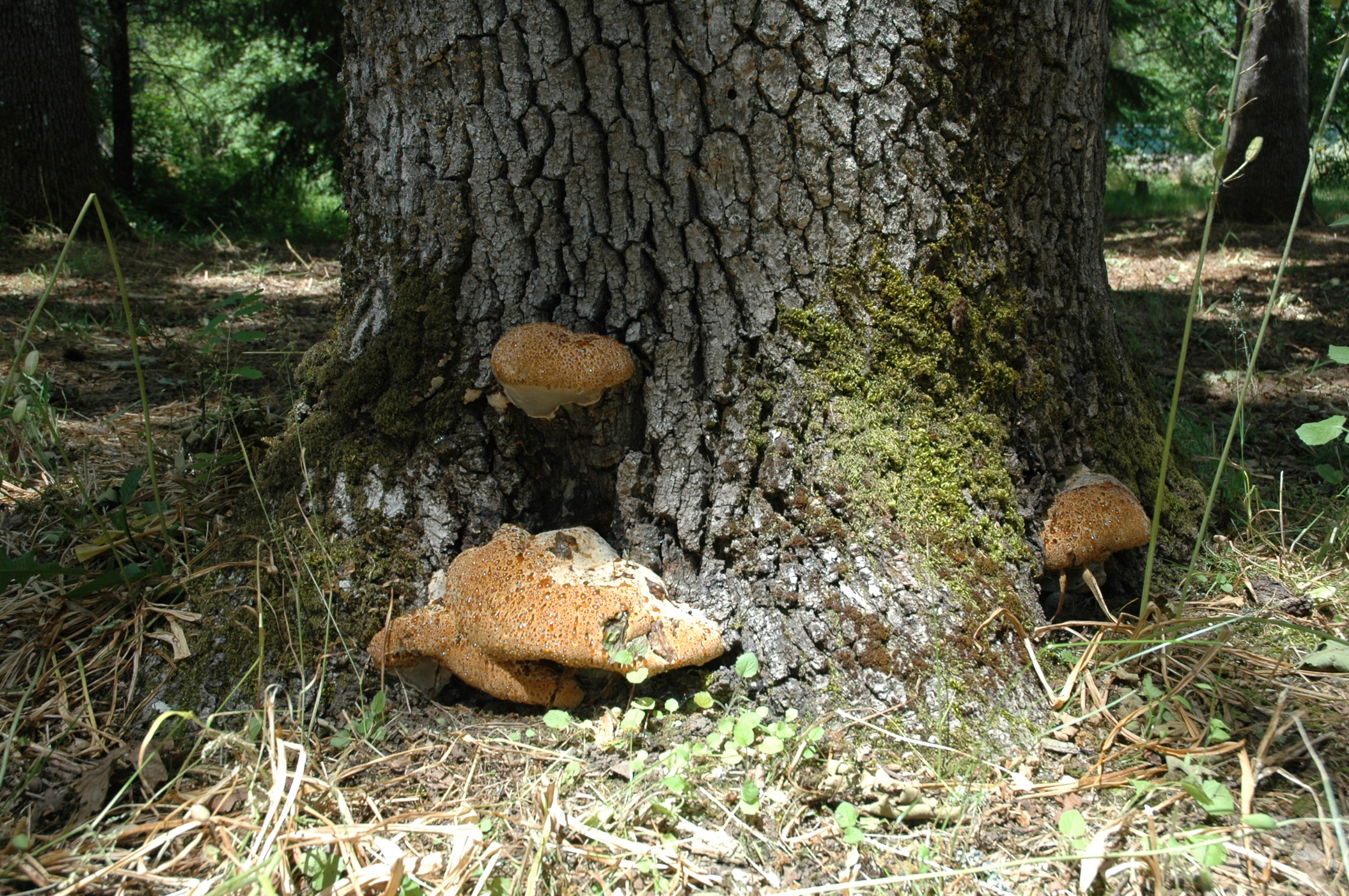
Oak Bramble?

jdhoward

Not a new Member
Location
des Moines
Is there a way to save this Oak? The homeowner is worried about cost of removal. I treated it for Oak wilt and the termites last summer. Then in the fall trimmed the dead out of it which reduced the weight significantly. I was thinking the mushrooms could possibly be growing from the debris from the termites and not the roots. Could I do a root excavation and apply growth regulator? IMG_5457.webp
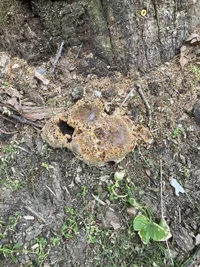
 
The little bit of the base of the tree I see there looks like there is fungal growth affecting the bark, I would recommend removal of that tree as soon as possible, and point out that it costs less to remove the tree from the front yard than it does to remove the tree from the front room.
 
I believe you can treat preventatively, and from some recent reading (I got a call for a tree the other day that might become the first confirmed case in the county...) White Oaks can be treated and pruned if caught early enough, and it is possible to cure them.
Companies have been treating it here forever as long as I’ve been in the industry, 15 years. The damage on the bark is from termites. Usually when these mushrooms appear it’s toast. I think the customer is going to have me take it out in the winter. Access for it suuuuucks.
 
Companies have been treating it here forever as long as I’ve been in the industry, 15 years. The damage on the bark is from termites. Usually when these mushrooms appear it’s toast. I think the customer is going to have me take it out in the winter. Access for it suuuuucks.
Fair enough. I do not know very much about Oak Wilt, I know it is very bad news for trees, and it is just starting to come into our area. Sounds like arborists out your way to have a better handle on it than we do around here.

Trees with almost no access our great fun! They are our specialty!
 
Fair enough. I do not know very much about Oak Wilt, I know it is very bad news for trees, and it is just starting to come into our area. Sounds like arborists out your way to have a better handle on it than we do around here.

Trees with almost no access our great fun! They are our specialty!
I don’t know why, but I too really love doing trees with minimal access
 
The fungi is a parasite, likely part of the burried root crown issue. It’s probably a slow progressing decay, and the tree could be managed.
Start off with a RCX and trunk sounding. Maybe resistance drilling to depths a little more than 1/3 inside bark.
Adjust pruning based on findings, if in a target rich in enviro consider removal.

Give it a chance if possible

Compare to: https://en.wikipedia.org/wiki/Inonotus_dryadeus

 
Last edited:
Can we see more photos of the site?

Additionally, Chris luleys book on wood decay fungi, or his website:


will help identify if the fungus is parasitic or not.

I agree with the sentiment of crown reducing, if possible and safe, based on the limited context of the photo and situation.
Thank you!!! What a great resource. A bit limited, but easy to use.
 
Last edited:
The fungi is a parasite, likely part of the burried root crown issue. It’s probably a slow progressing decay, and the tree could be managed.
Start off with a RCX and trunk sounding. Maybe resistance drilling to depths a little more than 1/3 inside bark.
Adjust pruning based on findings, if in a target rich in enviro consider removal.

Give it a chance if possible

Compare to: https://en.wikipedia.org/wiki/Inonotus_dryadeus

Mmmmmm knowledge. For free even. My favorite
 
Is that an arborjet plug? Sure looks like its in dead wood...is that the "oak wilt treatment"? In deadwood it does no good. Also, everything I have seen says oak wilt is best treated with macroinjection, not micro.

That
Can we see more photos of the site?

Additionally, Chris luleys book on wood decay fungi, or his website:


will help identify if the fungus is parasitic or not.

I agree with the sentiment of crown reducing, if possible and safe, based on the limited context of the photo and situation.
That sure looks like Inonotus dryadeus - which Chris Luley counts among his "big 5" - fungi that are most concerning for urban trees.
 

New threads New posts

Back
Top Bottom