Brando CalPankian
Carpal tunnel level member
- Location
- Pine City, MN
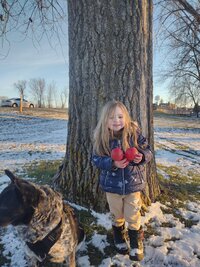
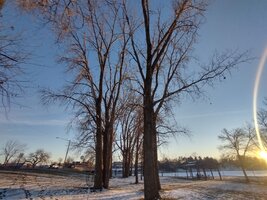
A local park I've been doing work for has several large Eastern Cottonwoods. There are a few in severe decline. I've opted to remove the most hazardous ones (close to lines, walkways, etc). I'm implementing a composted mulch zone around the rest of them (as large as they'll let me go), deadwood pruning, and potentially fertilizing.
It's winter now, so the pruning is happening in dormancy. That makes it more difficult to evaluate pests. I'm trying to figure out if there's any primary pests/diseases that afflict mature cottonwoods. They're located in a riparian zone along a river with seasonal flooding. They're also along a roadway, so salt contamination is likely over the years.
While climbing, is there any unique things I should be looking for? I've not seen fruiting bodies, evidence of boring/defoliating insects, or mechanical damage around the trees. I'm working on getting more construction history for the site to verify mechanical damage issues.
All this said, is there any treating and improving the health of mature cottonwoods? Grow fast, die young. They're 50" dbh trees every bit of 100' tall. They would really like to save them.
Thanks for any advice!
It's winter now, so the pruning is happening in dormancy. That makes it more difficult to evaluate pests. I'm trying to figure out if there's any primary pests/diseases that afflict mature cottonwoods. They're located in a riparian zone along a river with seasonal flooding. They're also along a roadway, so salt contamination is likely over the years.
While climbing, is there any unique things I should be looking for? I've not seen fruiting bodies, evidence of boring/defoliating insects, or mechanical damage around the trees. I'm working on getting more construction history for the site to verify mechanical damage issues.
All this said, is there any treating and improving the health of mature cottonwoods? Grow fast, die young. They're 50" dbh trees every bit of 100' tall. They would really like to save them.
Thanks for any advice!