help id

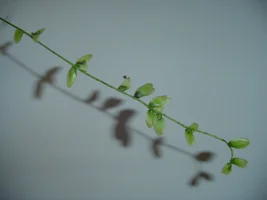
Is this a racine type flower stem? It's from a large spreading tree with a thick short trunk about 3 to 4 ft in diameter at the Phila zoo. Lighter colored rough bark. Leaf pinnately compound with 13 finely toothed leaflets. Forgot to check for opposite or alternate. What looked like flower stems were hanging like those of a locust but they were light yellow green as in the picture. Someone suggested it is a variety of phellodendron. Anyone recognize what I think is the flower? They look like they might become winged seeds or they are flower sepals.

 

Attachments

  • 229967-DSC00236.webp
    229967-DSC00236.webp
    81 KB · Views: 168
Where is a leaf?

PS - I do believe that would be classified as a 'raceme.' Does not look like Phellodendron, though. P. amurense fruit is a cluster, not arranged along the stem.

-Tom
 
Right click on the pic, click on 'open with,' open it with MS Paint... At the top, click the 'image' tab, scroll down to 'stretch/skew,' and resize it to 50% and 50%, evenly. This works for me on computers with crappy image software.

-Tom
 
Looks a little like a sophora with racemous samaras. I do not know what that tree is... I'd like to see a pic of the whole tree and some of the branching/form.

-Tom
 
Well, I was going to go with Laburnum x waterei, Goldenchain tree, until I reread the OPs description. They don't get that big.

But maybe in the Fabaceae family?

Sylvia
 
Next trip to the zoo will be sooner than later. I've become obsessed with id ing this tree. There are many other nice specimens there whose distant images would be good to post on trees from a distance. Maybe I'll be able to collect some seeds along with getting some more pictures of this tree's twigs, buds, bark and overall form from a distance.
 
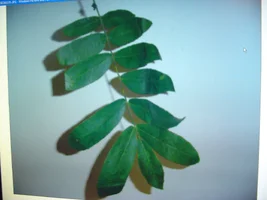
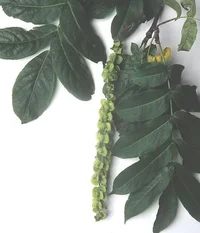
Pterocarya fraxinifolia. Here is a picture of the leaf and seeds/flowers from an online tree data base
 

Attachments

  • 235194-CD14C51D9D884E6F8EF852E67931EE6F.webp
    235194-CD14C51D9D884E6F8EF852E67931EE6F.webp
    26.3 KB · Views: 70
The original seed pic shows a really sparse raceme. I would have guessed it if the seeds looked more like the latter pic... I have some sitting on my desk right in front of me!

-Tom
 
More trivia. Caucasian wingnut and persian ironwood probably are found together in the wild. Both are natives of northern Iran and the Eastern caucasus mts.
 

New threads New posts

Back
Top Bottom