Evo
Been here much more than a while
- Location
- My Island, WA
Sounds like a mixed bag to me.
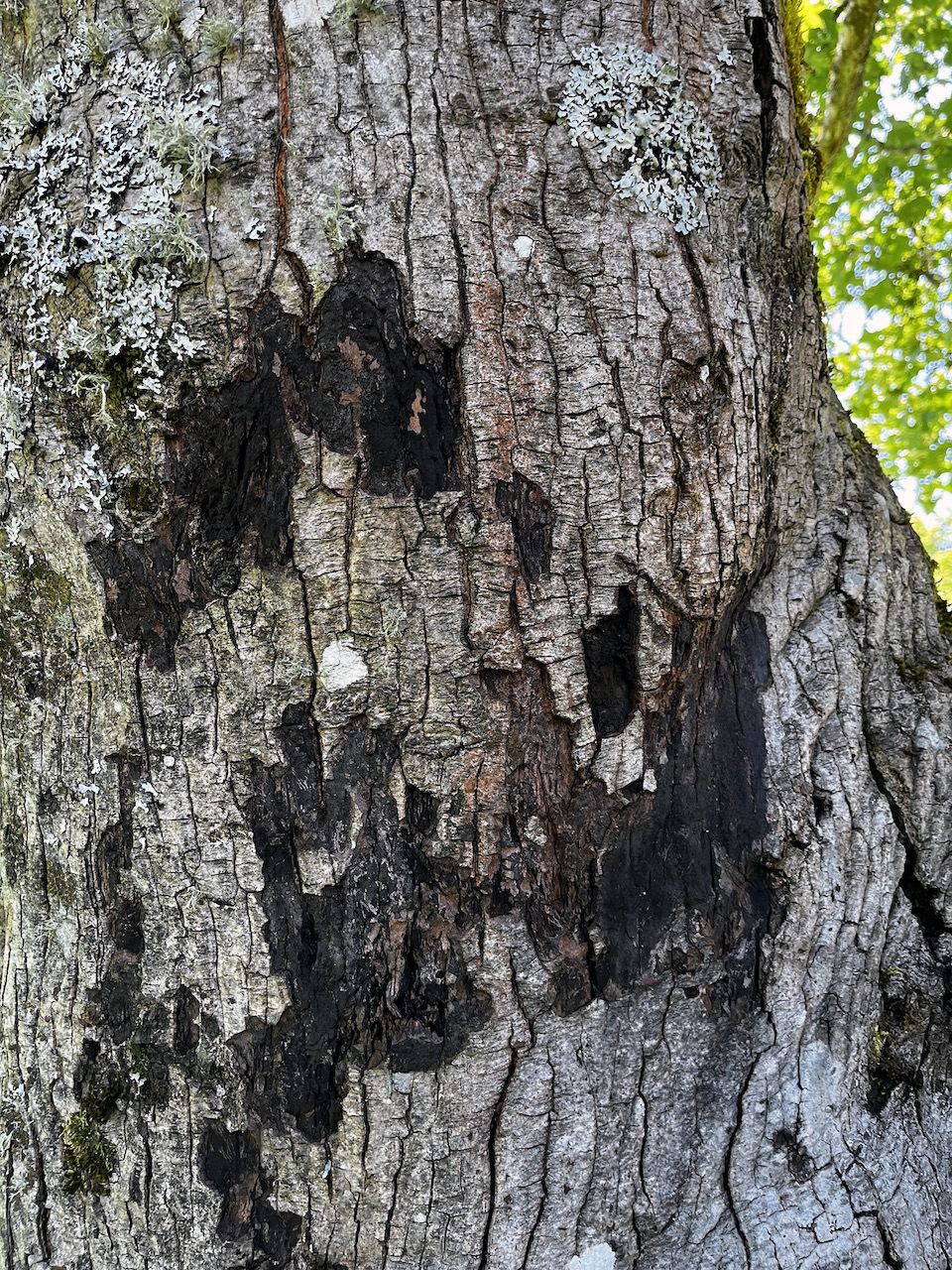
We in the greater Seattle area are having an issue with black sooty mold. Truth is no one knows much about it, where it came from or how wide spread it truly is.
Turns out there is a preserved sample from some big logging company here in Washington that dates way back. It was also found in Wisconsin I believe.
Fast forward nearly a century and it was associated with human death in the UK. The standard practice there was tyvec suits, respirators, careful control of disposal in air controlled bins for proper incineratarion.
Anyway a few years ago it kicked up big time in the Seattle area and everyone started freaking out. No one would touch infected trees etc. entire city park monocultures were dead and just left standing.
A university researcher explained the UK death(s) case and their understanding of it came to behavioral issues. Apparently it’s common there to store the winters season if firewood in the basement which was one of the assumed contributing factors.
My dad’s acute reason for death was a pneumonia from a fungal infection which coincided with his long fight with an upswing of his cancer. Apparently the infection was not unheard of in a population of the lower Mississippi area, yet he never had been in that area. I travel there and had a oh shit moment of realization when walking down a sidewalk paved with the exact slate stone we worked with. We would split the slate and fungal mats were sometimes in the layers.
Anyway to the best of my understanding there isn’t a known association health risk of black knot to humans. It’s more of a containment issue for plant pathology. Sanitation between cuts and proper disposal. Spores are almost impossible to kill!
Alcohol/bleach etc is more about killing the living tissue itself, along with fire. Fire actually doesn’t kill spores and acts as a vector for spreading into the surrounding environment. Burning on site is more for keeping infection areas contained.
The mold from wood chips and other mulches also have been linked to human health issues. If I expose myself to chips that have sat in a truck or a pile after a good rain (or chipping in the rain) I tend to get mild flu like symptoms. There has been discussion on this and documented cases with bagged mulch (leading to a death or two). Also in the uk if I recall correctly..
Part of my point is exposure is certainly a thing and may have adverse consequences but sometimes the harder you dig into things you will certainly find an issue. One or two documented deaths throughout a population of millions isn’t something I personally worry about. But at one point doctors prescribed to start smoking..
We in the greater Seattle area are having an issue with black sooty mold. Truth is no one knows much about it, where it came from or how wide spread it truly is.
Turns out there is a preserved sample from some big logging company here in Washington that dates way back. It was also found in Wisconsin I believe.
Fast forward nearly a century and it was associated with human death in the UK. The standard practice there was tyvec suits, respirators, careful control of disposal in air controlled bins for proper incineratarion.
Anyway a few years ago it kicked up big time in the Seattle area and everyone started freaking out. No one would touch infected trees etc. entire city park monocultures were dead and just left standing.
A university researcher explained the UK death(s) case and their understanding of it came to behavioral issues. Apparently it’s common there to store the winters season if firewood in the basement which was one of the assumed contributing factors.
My dad’s acute reason for death was a pneumonia from a fungal infection which coincided with his long fight with an upswing of his cancer. Apparently the infection was not unheard of in a population of the lower Mississippi area, yet he never had been in that area. I travel there and had a oh shit moment of realization when walking down a sidewalk paved with the exact slate stone we worked with. We would split the slate and fungal mats were sometimes in the layers.
Anyway to the best of my understanding there isn’t a known association health risk of black knot to humans. It’s more of a containment issue for plant pathology. Sanitation between cuts and proper disposal. Spores are almost impossible to kill!
Alcohol/bleach etc is more about killing the living tissue itself, along with fire. Fire actually doesn’t kill spores and acts as a vector for spreading into the surrounding environment. Burning on site is more for keeping infection areas contained.
The mold from wood chips and other mulches also have been linked to human health issues. If I expose myself to chips that have sat in a truck or a pile after a good rain (or chipping in the rain) I tend to get mild flu like symptoms. There has been discussion on this and documented cases with bagged mulch (leading to a death or two). Also in the uk if I recall correctly..
Part of my point is exposure is certainly a thing and may have adverse consequences but sometimes the harder you dig into things you will certainly find an issue. One or two documented deaths throughout a population of millions isn’t something I personally worry about. But at one point doctors prescribed to start smoking..