













Serf Life
Been here much more than a while
- Location
- Maine Island
Follow along with the video below to see how to install our site as a web app on your home screen.
Note: This feature may not be available in some browsers.


Are you stuck on that 1/3 notch depth guideline? That's for rookies. Is that all you got?
It's surprising that you seem so stuck in the box... hinge has to be strong enough to make the lay.. in the first video short straight sticks with the loader pulling left more than enough hinge. When needed: Center plunge, tapered, sizwheel, fat hinge with the plate cut, deep notch to cut a lean etc.
When not needed sometimes no hinge.. it all depends on the scenario. To say that all notches should be 1/3 depth or 80% is foolish. I've been criticized for cutting notches too shallow and too deep....
If there's side lean to fight then I go nearly 50% deep to allow the hinge to reach max length, side to side across the full diameter. That's not in the books either, but it's still unarguable common sense for anyone that not stuck in the box...

Nothing like putting a tagline in after she’s all cut up and sitting back. And despite your nonsense we can all see that you had plenty of room for a proper undercut and backcut.like a broken record..
I've been cutting trees for 40 years and never once heard a complete explanation of the reason why a notch depth "should be" 1/3 diameter or hinge to be 80% long... and within that teaching of 80% no one has mentioned where that 80% is measured, (front, middle or back of hinge)..
If you want bark deep... here it is.. literally bark deep, by necessity... The tree was boxed in on two sides by the house and the porch. There was zero room to get the body of the saw positioned to cut the back cut, so I used a snap cut and left a tiny sliver of holding wood.. The video is called mini notch, but it should be called micro notch...
What matters to me is "DID IT WORK?"... in the backyard, that's what counts... this one worked perfectly. Jumped the but right over the rhodie.. that was 14 years ago... creative problem solving. do what works.. no big deal, except for people like you, with your ego all caught up in some set of rules that you were taught as a kid, but never had the capacity to understand the why...
there is no sitting back on a stick like that. no lean.. the piece just sat down... I did say sat back in the video, but that's not quite correct...Nothing like putting a tagline in after she’s all cut up and sitting back. And despite your nonsense we can all see that you had plenty of room for a proper undercut and backcut.

Well, even if someone did explain what makes a “proper” notch and back cut, would you listen? Like you said, you’ve been cutting trees for 40 years. Doesn’t sound like you have anything else to learn.there is no sitting back on a stick like that. no lean.. the piece just sat down... I did say sat back in the video, but that's not quite correct...
And I'm still waiting for someone to explain what makes a "proper" notch and back cut... No takers here though...
I AM happy to have a conversation about it... Do you want to take a crack at it? Is there even any writing or other educational material that contains a complete explanation of the guidelines for cutting a notch, with pros and cons etc? For all those that are talking crap.. here's your chance.. write itt up if you can...Well, even if someone did explain what makes a “proper” notch and back cut, would you listen? Like you said, you’ve been cutting trees for 40 years. Doesn’t sound like you have anything else to learn.

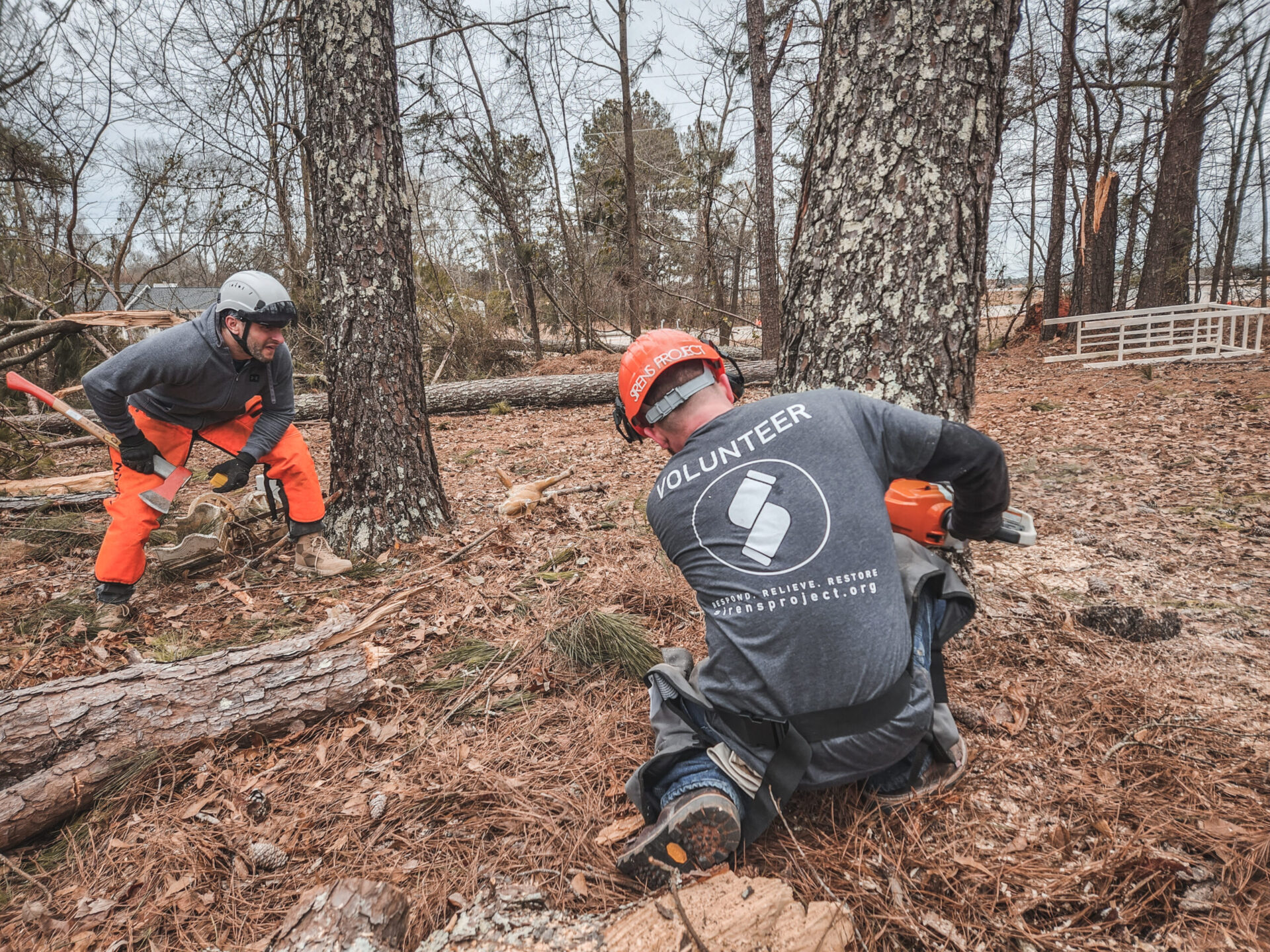
 sirensproject.org
Just like old times bro. You talking in nonsensical circles and changing your story.there is no sitting back on a stick like that. no lean.. the piece just sat down... I did say sat back in the video, but that's not quite correct...
One that doesn't sit down on you saw would be a good place to start.And I'm still waiting for someone to explain what makes a "proper" notch and back cut..
Thank you Tim for that reference... first I've heard of it... the article only references the use of wedges, which for me would be about as useful as a treatise on the dynamic properties of hemp rope...Ingest
Digest
Precision Arboriculture: Mathematical Formulas for Canopy Movement in Relation to Felling Wedges and Face Cut Depths | sirensproject.org
As arborists and storm responders, the precision and planning involved in tree felling are paramount to ensure safety and success. Understanding the mathematical principles behind calculating face cut depth and wedge height plays a crucial role in tipping a back-leaning tree over its center...
More reading...get out your copy of Jepson's To Fell a Tree. Everyone has their own so it isn't necessary to quote.
There is a distinction between a tree tgat sits back, from back lean, and a spar that sits down due to compression across the entire surface area of the cut.Just like old times bro. You talking in nonsensical circles and changing your story.
One that doesn't sit down on you saw would be a good place to start.


Thanks, Tom for the article. I've seen the idea before (probably from Jepsen). Didn't know that the hinge length and fulcrum length are the same when following the 80% rule. That's handy to know.Ingest
Digest
Precision Arboriculture: Mathematical Formulas for Canopy Movement in Relation to Felling Wedges and Face Cut Depths | sirensproject.org
As arborists and storm responders, the precision and planning involved in tree felling are paramount to ensure safety and success. Understanding the mathematical principles behind calculating face cut depth and wedge height plays a crucial role in tipping a back-leaning tree over its center...
More reading...get out your copy of Jepson's To Fell a Tree. Everyone has their own so it isn't necessary to quote.

Effectively lose control?I may not have been at this for very long, but it seems problematic to me that you rely so heavily on the machine, and that you effectively lose some control before you wrest it back with the machine. The loggers around here have instilled in me the notion that you NEVER lose control of the piece.
It reminds me of the expression, "When all you have is a hammer, every problem starts to look like a nail".
I own some pry bars. If I catch a mfer using one of my screwdrivers to pry something, I will absolutely tell them to go get the right tool, every time. Could the screwdriver work? Sometimes yes, but that one time you fuck up my screwdriver... I will have "told you so".
A mentor of mine would say that you have been luckier than you realize. He would tell you to do it the "right" way, because it might not get you this time, and it might not get you next time, or the next 10k times, but that shit will usually come around to bite you.
Good luck to you Daniel.
If you kept cutting until it sat back on your bar, then you gave up some control. I am not saying things got out of hand in that specific instance, but you went a method that offers you much less assurance of the final lay. You're arguement seems to be that because nothing went wrong that your way is great. All I am saying is that it was merely sufficient, and not the best way it could have been done.Effectively lose control?
The spar is, straight, 12 feet tall, and near 4 feet across at the cut. It's not going anywhere, anyhow until it gets pulled on by the machine... there's nothing to lose.
You suggest relying on the loader problematic? That loader allows for the type of control that could never be readily achieved when pulling by hand or pounding wedges.
Precise direction of pull and more than enough power at the wave of a finger... It's a game changer.. allowing for much fatter and stronger hinges when needed.
here hinge is full side to side and over 25% diameter thick... you're not going to pull that by hand or beat it over with wedges.. AND YOU'RE NOT GOING TO READ ABOUT THIS HINGE IN THE BOOKS























