whitespire birch problem

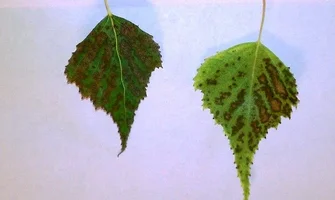
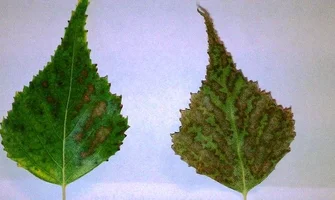
looked at a whitespire birch today that is dropping leaves like crazy. Its a smaller two stem tree around 6-8" diameter on both stems, located in a mulched landscape bed.The shedding foliage all has similar intervein brown areas that seem to start as small brown lesions and progress from midvein through the leaf and then they drop. I do not suspect water issues, the flare looks ok, some girdling on the less affected stem and no signs of borer damage or other insect problems. Overall the tree looked like it was in good condition prior to this week. Resident said they fertilized the area recently with a balanced garden fertilizer(10-10-10)but this looked more disease related to me. So anyone have any ideas or point me in the right direction.
 

Attachments

  • 365968-IMAG0096.webp
    365968-IMAG0096.webp
    44.6 KB · Views: 74
Take that leaf to a county ag pathology diagnosis lab technician, they'll analyze it, and send you the lab results in writing in about a week.

Tangible facts, fungus, nitrogen burn, bugs, bacteria etc?

Some counties do it for free, like here in dreadful SoCal.

Good for your professional image. Makes you appear knowledgeable and scientifically thorough in your business worth to that client's problems being solved or mediated by you. Even if it costs you 20-30 bucks!

I've heard of chlorinated pool water being drained below tree drip lines and burning the leaves off them. Liquid Ambers I believe.

jomoco
 
Jomoco has the right idea, to seek local expert advice. And I betcha the first thing the tech will ask (or will look at on the sample submission form) about is soil pH. That sort of interveinal chlorosis looks more to me like iron deficiency. Odds are, there's plenty of iron in the soil, it's just that if the pH is too high (soil too alkaline), the iron is more like an inert mineral in the soil rather than as a potentially mobile ion. Do a quick web search, there is a lot out there on the relationship of iron deficiency, leaf spots/premature shedding, and soil pH.

Also, anthracnose lesions might be bounded by veins, but the lesions usually cross major veins. Unlike sycamore and maple anthracnose pathogens, the usual one for birch (genus Cryotocline) usually makes small, rounded lesions or spots. Although these lesions might coalesce, the image sent by GrahamS doesn't look like that happened.

A quick look at the soil pH and margins of the lesions under a microscope should resolve this pretty quickly.
 
thanks guys for the help, got it checked out, and it is a nutrient issue,(iron), caught me off guard. Very used to seeing this issue in pin oaks with the soils in this area and the presentation is very different the the way this showed itself.
 

New threads New posts

Back
Top Bottom