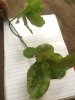
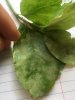
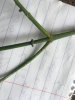
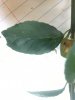
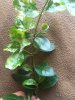
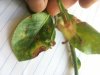
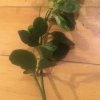
Looks like the imperfect (asexual) stage of a powdery mildew. Later in the summer you may find tiny brown/black specks amongst the powdery stuff, and those would be the cleistothecia of the sexual stage of this group of ascomycetes. Yeah, individual species and "races" of the fungus can be highly specific with respect to host plant species or variety.
The common view is, or was when I was in plant pathology school, that these spread in wind and rain rather than an active animal vector. Interestingly, this is one fungus whose infection is favored by drier rather than wetter conditions.