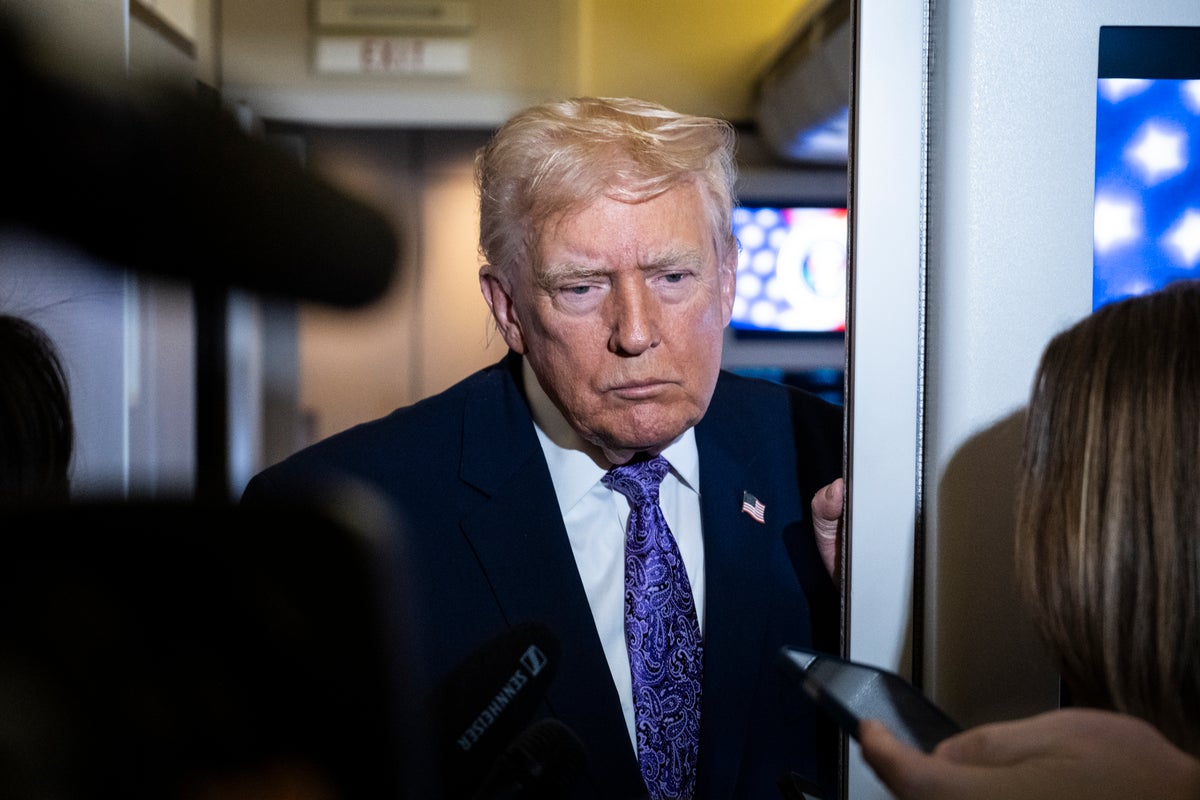
At the White House on Monday, the president announced $12 billion in bailout money for America’s farmers who have been battered in large part by his trade policies.
Tariffs continue to put upward pressure on prices, putting the Trump administration on the defensive over deep public concern about the cost of living. On Tuesday, the president will go to Pennsylvania for the first of what the White House calls a series of speeches addressing the “affordability” problem, which last week he dismissed as “the greatest con job” ever conceived by Democrats.
China, the world’s second-largest economy and the United States’ main economic and technological competitor, released figures on Monday showing that it continues to run a record trade surplus with the rest of the world, even as its overall trade and surplus with the U.S. narrows. That suggests Beijing is quickly learning how to thrive even in a world in which the United States becomes a tougher place to do business.
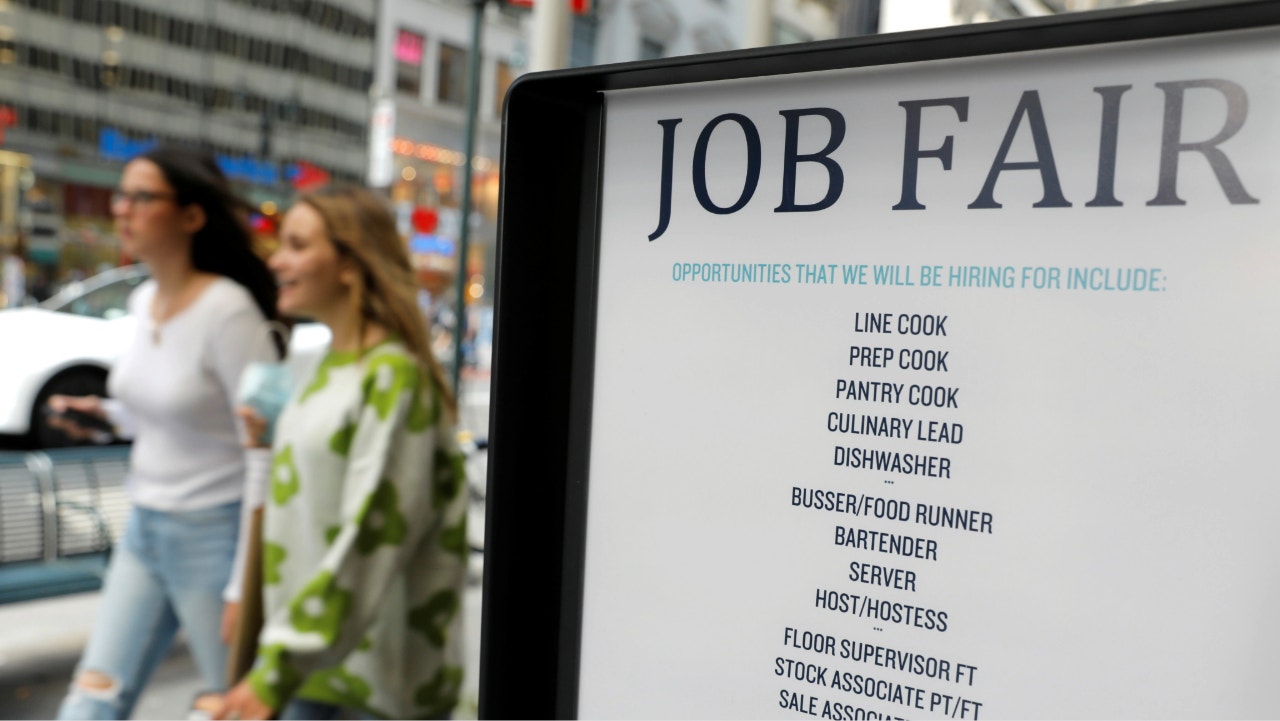
And there is scant evidence to date of any wholesale return to American towns and cities of the manufacturing jobs lost to decades of automation and globalization.
Not surprisingly, Mr. Trump tried on Monday to portray the $12 billion in emergency relief for farmers as a victory, another piece of evidence — at least to him — that his decision to impose the highest tariffs on American imports since 1930 are working, or will soon.
In recent weeks, he has promised to use the tariff income flowing into the country to cut a government check of $2,000 for every taxpayer (“not including high income people!” he exclaimed on Truth Social in November). Last week, he declared at a cabinet meeting that “at some point in the not too distant future, you wouldn’t even have income tax to pay.”
Over the summer, he told lawmakers that other deals he is striking — some in return for lowering tariffs — would reduce some drug prices by 1,500 percent [

], a piece of mathematical gymnastics that left some in his audience mystified.
The numeric magic continued on Monday, when Mr. Trump said he was using some of those tariff revenues as a “bridge payment,” to tide American farmers over Chinese until purchases resume, a commitment Mr. Trump says he extracted from President Xi Jinping when they met in late October.



 www.theguardian.com