Planting & Preservation Forum?

Still under consideration.

There are some great reasons to put up another Forum on the suggested topic. The reason we take time putting up a new forum is that the discussion gets fragmented down into smaller and smaller groups.

Let me use chainsaws as an easy example.

Right now, there's one forum for chainsaws. Splitting it into forums about chain, chain sharpening, bar maintenance, bar oil...and...obviously, gas/battery, would thin the soup. Better to have one home forum to search.

The topic under consideration,,,is still under consideration.
I see it both ways. Many things aren’t posted in the proper sub forums as is, or veer from topic organically.
On the old buzz it would really suck scrolling through 20 sub forums to look at what’s new. This newer format it’s fairly easy to just look at new posts.
On the other hand we basically have a general forum, then rigging and roping (aka removals) for basic work. It does make sense to break it down further, into removals, pruning, preservation, and planting. We all know there is more nuance than general, rigging, utility..
or don’t fix what ain’t broke.. my two cents is there isn’t much to planting. Don’t bury the crown, take the basket/burlap off, stretch out or prune circling roots, and of course selection which varies widely with site and geographic location
 
I see it both ways. Many things aren’t posted in the proper sub forums as is, or veer from topic organically.
On the old buzz it would really suck scrolling through 20 sub forums to look at what’s new. This newer format it’s fairly easy to just look at new posts.
On the other hand we basically have a general forum, then rigging and roping (aka removals) for basic work. It does make sense to break it down further, into removals, pruning, preservation, and planting. We all know there is more nuance than general, rigging, utility..
or don’t fix what ain’t broke.. my two cents is there isn’t much to planting. Don’t bury the crown, take the basket/burlap off, stretch out or prune circling roots, and of course selection which varies widely with site and geographic location
We went as far as plugging SRS into its own space, despite having a climber’s talk.

Maybe the act of planting sounds simple, but so does spiking up a conifer, slice off a few branches, send the top then chunk it down. Super easy right? It’s not until you discuss any of the infinite variables that we can expand the topic.

- Selection based on attributes, habit, growth rate, shade tolerance/intolerance
- structure, health, vigor, etc
- Soil type, mulch material options, and amendments
- Positioning and orienting based on projected growth and adjacent plants/structures…
- Bare root strategies…
- Support systems…what, where, how long???
- Aftercare…when to prune, dosage, training healthy structure, managing plant response…

Transplanting would fall into the topic, which can be quite nuanced, especially when moving very large trees.

I can see room for a new vein.
 
The original inspiration for this post was after listening to The Tree Thinking Podcast with Craig Bachmann talking about the future of the trade. He talked about concerns with appealing to the next generation of Arborists through front page covers of magazines and endless youtube videos of Chunking down big wood (removals) and how we need to make preservation just as appealing (more big limb walks, less chunking).

I’ve always thought it was strange the trade doesn’t focus more on planting and often leaves it up to the landscape companies, then complain when they plant the wrong tree, bury the root flares and volcano mulch. Discussions about how to make planting a profitable Service, the pros and cons of planting big versus planting small, container vs b&b, trying to navigate and select the right trees and shrubs at the nursery and maybe how to start growing some of your own nursery stock?

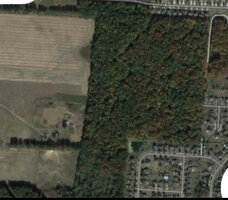
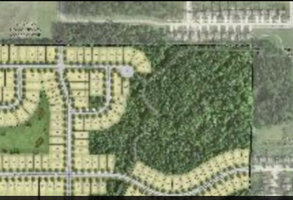
I’m not sure if preservation could be tied to this as well? But I wish we were much more involved during development. There was a 40 acre woods in my town and I raised a stink about preserving it before a developer proposed any plans to develop. I had city council members and the mayor meet me onsite to walk through the woods rather than meeting indoors and look at a map. When a developer eventually proposed clear cutting the entire forest, we had a dozen or so prepared residents speak out at the city Council meeting when the developer was revealing the proposal. It ultimately resulted in preserving 20 acres of the 40 to become a city park. This was all volunteer work, but it made me realize it was possible. I wasn’t available as much as I would’ve liked to of been during development and they did not do a good job of putting up CRZ protection. We see it all the time but how do we get involved and ahead of development before unnecessary damage is done?How do we work to make it a standard procedure to involve Arborists before development begins? It’s not realistic to volunteer our time away for this, so how do we make it a profitable service and standard procedure?

Not sure if this is making sense
 
The original inspiration for this post was after listening to The Tree Thinking Podcast with Craig Bachmann talking about the future of the trade. He talked about concerns with appealing to the next generation of Arborists through front page covers of magazines and endless youtube videos of Chunking down big wood (removals) and how we need to make preservation just as appealing (more big limb walks, less chunking).

I’ve always thought it was strange the trade doesn’t focus more on planting and often leaves it up to the landscape companies, then complain when they plant the wrong tree, bury the root flares and volcano mulch. Discussions about how to make planting a profitable Service, the pros and cons of planting big versus planting small, container vs b&b, trying to navigate and select the right trees and shrubs at the nursery and maybe how to start growing some of your own nursery stock?

I’m not sure if preservation could be tied to this as well? But I wish we were much more involved during development. There was a 40 acre woods in my town and I raised a stink about preserving it before a developer proposed any plans to develop. I had city council members and the mayor meet me onsite to walk through the woods rather than meeting indoors and look at a map. When a developer eventually proposed clear cutting the entire forest, we had a dozen or so prepared residents speak out at the city Council meeting when the developer was revealing the proposal. It ultimately resulted in preserving 20 acres of the 40 to become a city park. This was all volunteer work, but it made me realize it was possible. I wasn’t available as much as I would’ve liked to of been during development and they did not do a good job of putting up CRZ protection. We see it all the time but how do we get involved and ahead of development before unnecessary damage is done?How do we work to make it a standard procedure to involve Arborists before development begins? It’s not realistic to volunteer our time away for this, so how do we make it a profitable service and standard procedure?

Not sure if this is making sense
Similarly, I am involved with a couple projects in my town, and all volunteer based. I’m happy that my perspective can be added to the mix during the planning phase. This is basically new ground for me, as I normally find myself being asked to perform miracles after the damage is done.
 
Similarly, I am involved with a couple projects in my town, and all volunteer based. I’m happy that my perspective can be added to the mix during the planning phase. This is basically new ground for me, as I normally find myself being asked to perform miracles after the damage is done
Similarly, I am involved with a couple projects in my town, and all volunteer based. I’m happy that my perspective can be added to the mix during the planning phase. This is basically new ground for me, as I normally find myself being asked to perform miracles after the damage is done.
Here’s what we were able to preserve. There was an existing 4 acre park so we added 20 acres to that. The damage they did around the perimeter bothers me and they cut a bike trail through the woods that was pretty damaging. But I suppose once it’s all complete, it will be pretty awesome. I’ll work to remove the invasives that are surely to move in around the perimeter and along the bike trail. I talked to them about installing drainage to not change the hydrology as the bike trail is developed. I’ve seen other projects where they put in raised paved trails which created a damming effect and killed lots of trees that were not adjusted to flooding.

This is the first project I’ve been involved with like this. It was pretty amazing getting the community involved actually worked! It’s so easy to just say “they’re going to do what they’re gonna do”.

From an environmental perspective, I think, recognizing natural areas and making local leaders aware of them might be one of the best thing we can do? Where I live there’s so much cleared farmland, It’s insane to be bulldozing over forests for development.
 

Attachments

  • IMG_3111.jpeg
    IMG_3111.jpeg
    47.7 KB · Views: 13
  • IMG_3109.jpeg
    IMG_3109.jpeg
    44.7 KB · Views: 13
We went as far as plugging SRS into its own space, despite having a climber’s talk.

Maybe the act of planting sounds simple, but so does spiking up a conifer, slice off a few branches, send the top then chunk it down. Super easy right? It’s not until you discuss any of the infinite variables that we can expand the topic.

- Selection based on attributes, habit, growth rate, shade tolerance/intolerance
- structure, health, vigor, etc
- Soil type, mulch material options, and amendments
- Positioning and orienting based on projected growth and adjacent plants/structures…
- Bare root strategies…
- Support systems…what, where, how long???
- Aftercare…when to prune, dosage, training healthy structure, managing plant response…

Transplanting would fall into the topic, which can be quite nuanced, especially when moving very large trees.

I can see room for a new vein.
All very true. From when I first discovered the buzz I was left with the impression that its focus is on the tree worker, not the work. Meaning there aren’t subs that are geared to planting, pruning, or removals specifically. Rigging and roping is basically the removal forum, but I’ve rigged many trees that I’ve pruned (epic pita).
And thank you very much for the Srt advocacy.
If I were to make a forum I’d start off with compartmentalization of arboriculture.

Climbing:
X
Y
Z
Rigging
X
Y
Z
Pruning
X
Y
Z
Dirt
.. Air work
.. Planting
.. Planning
.. Amendments/mulch
Chemicals
X
Y
Z
Municipal
Line clearance
Felling

“no, you gotta finish your muffin, and I gotta go poop the coffee is kicking in”. (My 5 year old started crawling onto my lap, I bumped the speech to text button. Too funny to delete!)

I have no intention in starting a forum, Mark and Tom have a great platform here and fully appreciate their style!
 
All very true. From when I first discovered the buzz I was left with the impression that its focus is on the tree worker, not the work. Meaning there aren’t subs that are geared to planting, pruning, or removals specifically. Rigging and roping is basically the removal forum, but I’ve rigged many trees that I’ve pruned (epic pita).
And thank you very much for the Srt advocacy.
If I were to make a forum I’d start off with compartmentalization of arboriculture.

Climbing:
X
Y
Z
Rigging
X
Y
Z
Pruning
X
Y
Z
Dirt
.. Air work
.. Planting
.. Planning
.. Amendments/mulch
Chemicals
X
Y
Z
Municipal
Line clearance
Felling

“no, you gotta finish your muffin, and I gotta go poop the coffee is kicking in”. (My 5 year old started crawling onto my lap, I bumped the speech to text button. Too funny to delete!)

I have no intention in starting a forum, Mark and Tom have a great platform here and fully appreciate their style!
I can see how if the forum was geared to the worker that things might take a particular shape, but I’ve also been on the Buzz long enough to see what comes down the general discussion pipeline and from how many varied users, including homeowners.

Not sure what the intent was of the original architects, other than maybe basing it on their own personal day to day work experiences. It’s just that my opinion is we could all be more knowledgeable arborists if, over time, the forum began to compile more and more science and biology related info in an easy to reference channel.

It may more gain a much more broad group of users, or perhaps increase contributions from people that are registered but never post. I’d also like to see if knowledgeable individuals would be able to help unwrap highly scientific information, giving a better understanding to others that can’t afford the time/money/access to take college level courses.

Sure, books may be out there, but without a little guidance, some info is just letters on a page. It might be nice to give some of the more knowledgeable arborists that already contribute here a more defined podium.

All just my opinion.
 
I think the different ANSI standard sections should be represented on the forum. I think maybe the different Australian arboriculture standards should also be represented since Australia seems to really be into training and certs. I think the ISA certifications should each be represented. I think the ASCA categories (whatever they are) should be represented. I think there should be at least one category where a certified aesthetic pruner can post - especially since a main forum for Japanese gardening is in limbo and currently inaccessibly archived.

Regarding planting, there is more room for progress in arboriculture there than anywhere else, imo. Climbing techniques have advanced, risk assessment has advanced, saw tech has advanced. But, we still stick containerized trees in our holes. Those trees have pathogens in the soil, on the roots, and on the shoots like ich from the fish store - almost guaranteed. The root structures invariably encircle and dive. This is extremely primitive in a very bad way. If you search Treebuzz for "gravel bed", what comes up? If you search for ways to knock back root ball soil inoculants, what comes back? Not much, because almost everyone in the industry is letting it slide. The consequences of removing containerized root balls from the arboriculture ecosystem seem so great that one either buries their head in the sand or does the work on a Planting and Transplanting forum.
 

New threads New posts

Kask Stihl NORTHEASTERN Arborists Wesspur TreeStuff.com Teufelberger Westminster X-Rigging Teufelberger
Back
Top Bottom