Winchman
Carpal tunnel level member
- Location
- Southwest Georgia
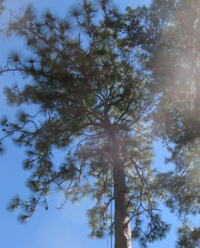
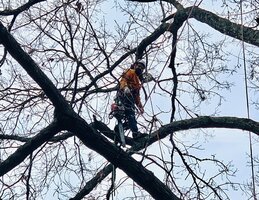
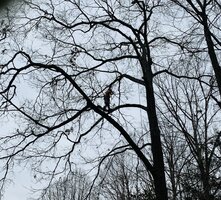
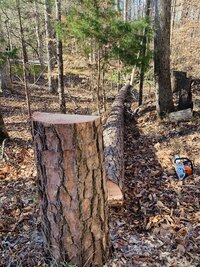
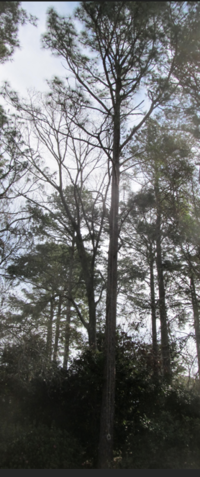
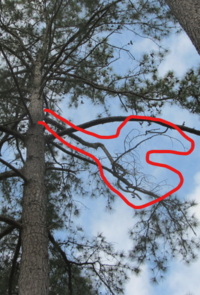
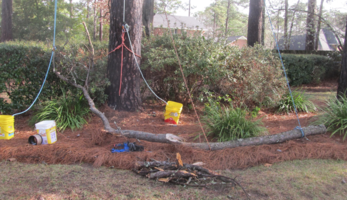
This started out as the removal of an unwanted low limb from an oak but then I spotted a dead limb on the pine. 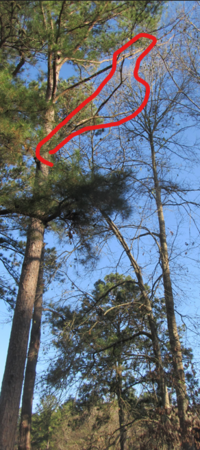

Follow along with the video below to see how to install our site as a web app on your home screen.
Note: This feature may not be available in some browsers.




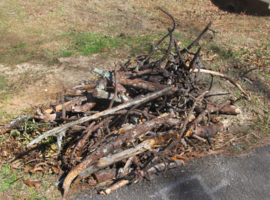
Man…you love those pines. What type are they in your area?Got a pine here leaning over a tangle of small oak branches I had to climb through...
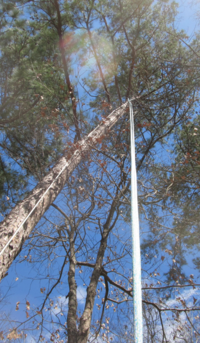
View attachment 97671
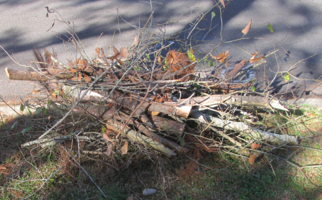
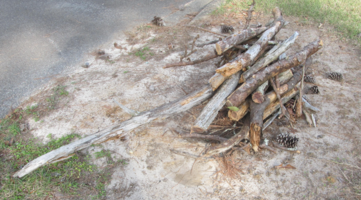
to cut all this dead stuff. (That pic above was taken after the climb.)
View attachment 97672
I decided to reward myself with a new helmet and visor at a nice discount.
View attachment 97676
I love seeing the sapling Beech trees in the woods during the winter down here. One of my favorite trees. Hope we don't get BLD down here.

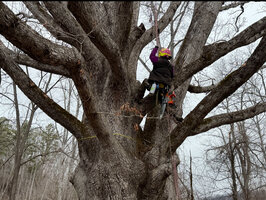
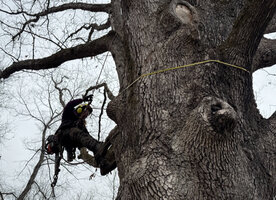
I’ve been dealing with a lot of biggens lately. We lost a lot of huge trees too in the storm. Trees over 36” DBH were 6% of the failures I surveyed and only make up 1.5% of the general population of trees. So there’s been a lot of talk about how we can retain these important trees, or what might contribute to some of them surviving.Wow, wish I had trees like that to climb in my area, looks amazing.

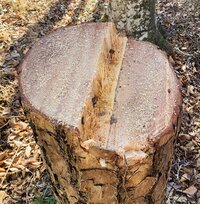
every branch is a tree of it's ownDeadwooded a 44” White oak today that got real fat around 10’ up, put the tape on it and it was 71” diameter! Thing had very little pruning cuts evident (the one in the lower photo was the only one I could see anywhere) and very little deadwood, just some low key interior limbs and a few aborted tips on low lateral branches…
View attachment 97746
View attachment 97747
Even in the areas with large blowdown, there’s still a lot of surviving trees, which will hopefully take over the canopy in short order. I just went to a talk with a USDA Forest Service employee who laid out the situation we’re facing. The real work we need to do is remove all the fuel that’s in the forest now. Unfortunately we’re not talking about public land so there’s no way we can somehow finagle the most recent executive order to deal with the problem we actually have here.Best to you in your efforts to preserve these old majesties. Maybe you can get a group together to collect seed and get some young ones going out of the old stock? We’re trying to get that going up here.
In regard to the fuel load…I totally hear you. Some Beech stands are getting so bad like that with fuel load but folks are taking carbon capture payments to leave it all as is. Well, what’s going to be captured when it lights up??? Never mind other stand types not being managed. Can get scary if you really look at it, so I feel for you threre.Even in the areas with large blowdown, there’s still a lot of surviving trees, which will hopefully take over the canopy in short order. I just went to a talk with a USDA Forest Service employee who laid out the situation we’re facing. The real work we need to do is remove all the fuel that’s in the forest now. Unfortunately we’re not talking about public land so there’s no way we can somehow finagle the most recent executive order to deal with the problem we actually have here.
Tomorrow I’ll be participating in a tree giveaway... I bought hundreds of little bbs from the North Carolina Forest Service, and other folks from the mutual organization bought some bare root stuff online. My three-year-old and I also cut a lot of Willow and elderberry cuttings from our land for people to do live staking. The places where we need the most aggressive push for planting are the stream banks which are completely nude now. But we need all kinds of planting all over the place. The oaks ability to regenerate themselves is really low in my concern, tbh, there’s a lot of other native trees that I’d like to see more of, just for the sake of diversity.