












Navigation
Install the app
How to install the app on iOS
Follow along with the video below to see how to install our site as a web app on your home screen.
Note: This feature may not be available in some browsers.
More options
You are using an out of date browser. It may not display this or other websites correctly.
You should upgrade or use an alternative browser.
You should upgrade or use an alternative browser.
Work Photos
- Thread starter Leroy
- Start date

My bro I think read the road and maybe a few others. I saw the first part of the movie for the road, had to leave when it looked like the kid might become cannibalized, some dark shit!
oh yeah heard a lot about that one second hand, maybe more my style. https://en.wikipedia.org/wiki/Blood_Meridian
oh yeah heard a lot about that one second hand, maybe more my style. https://en.wikipedia.org/wiki/Blood_Meridian

evo
Been here much more than a while
- Location
- My Island, WA
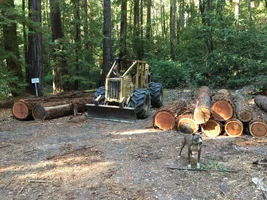
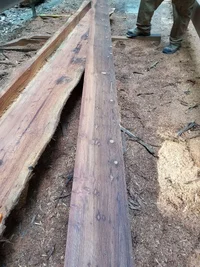
Beautiful stuff Rico! Is that beginning of red ring rot? Make for some nice quarter sawn trim, or a floor for sure, gotta keep that grain where it can be appreciatedWinter is coming, so I'm trying to get as many logs out of the woods before it starts getting muddy around here.
View attachment 54836
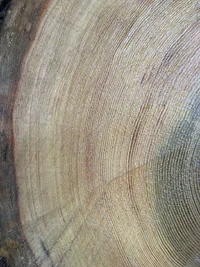
A close up showing the quality of the Fir I have been skidding lately.
View attachment 54837
Yea I'm a big fan of vertical grain/quarter sawn, and try and mill that way whenever possible.
Not sure what red ring rot is. The discoloration in the Fir is just stained wood, as the trees were a little over ripe. We caught them at the perfect time and they have crazy colors, but are as fit as a fiddle and hard as a rock! Definitely an unusual find.
Not sure what red ring rot is. The discoloration in the Fir is just stained wood, as the trees were a little over ripe. We caught them at the perfect time and they have crazy colors, but are as fit as a fiddle and hard as a rock! Definitely an unusual find.

CRL
New member
I hate to say it, but we are seeing something similar with the northern white cedars in NE Minnesota. My uncle has been a close student of his land for 30 plus years and has noticed dieback in his cedars the last several years. Asking USFS folks, people that have spent there entire life in the area, etc. has simply gotten him blank stares. To his knowledge, and he digs for answers, few are even aware around here of the issue. I'm going to pass the link for the article on to him. Thanks!We are seeing the same thing with the Cedars in the Sierra's. On top of the catastrophic, historic Pine death, the Cedars and Firs are also taking a real beating. Even 1000-3000 year old Redwoods are looking very unwell. I have spent my whole life admiring some of these giants, and I have never seen them looking this bad. Fuck global warming/climate change!
Last edited:
CRL
New member
Loving it Rico. In a prior part of my life I was a timber framer. Though I typically preferred our white pine jobs, I was always in awe of some of the large Doug fir beauties (my favorite were the tight grain quartersawn knot free ones) we would get for some frames. Thanks for taking the time to mill vertical grain lumber; wood like this deserves the extra time and effort. Always love seeing your pictures. Mind boggling scale for this MN boy.Winter is coming, so I'm trying to get as many logs out of the woods before it starts getting muddy around here.
View attachment 54836
A close up showing the quality of the Fir I have been skidding lately.
View attachment 54837

JeffGu
Been here much more than a while
- Location
- Osceola, Nebraska
Yeah, if I walked him through a forest here in Nebraska (we actually do have some)... he'd complain about all the scrub brush and want to know when we were going to see some trees.
Thanks fellas. The scale of things out here is very different, but I still love and appreciate a beautiful forest wherever it is. No matter how big or small. The woods of Arkansas, West Virginia, North Carolina, and Maine are some of my favorite places in the world, and I would be happy spending the rest of my days in any of these places.
Last edited:
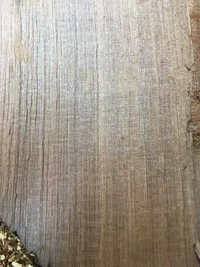
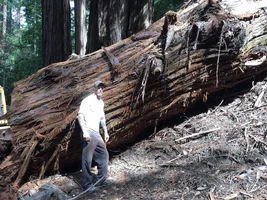
A close-up of what a piece of Redwood from a 1000 yr old tree looks like . The grain on this stuff is so tight that you literally can't count the rings with the naked eye. It comes from a mature 12-15 ft DBH windfall. The log in the pic (posted before) is from around 140 feet up the tree. Truly world-class stuff, and a real rarity these days!
Last edited:

southsoundtree
Been here much more than a while
- Location
- Olympia, WA
Whoa!
Red Ring Rot is a heart rot common in Doug-fir caused by Phellini pini. Comes in on broken branch stubs, eats and grows, then produces conks at the same stubs on the way out, sometimes growing around the stub, sometimes, by the time the fungus is reproducing the stub is long gone, and conks appear on a bare trunk. The conk can be seen mid-stem, conspicuously.
Red Ring Rot is a heart rot common in Doug-fir caused by Phellini pini. Comes in on broken branch stubs, eats and grows, then produces conks at the same stubs on the way out, sometimes growing around the stub, sometimes, by the time the fungus is reproducing the stub is long gone, and conks appear on a bare trunk. The conk can be seen mid-stem, conspicuously.
southsoundtree
Been here much more than a while
- Location
- Olympia, WA
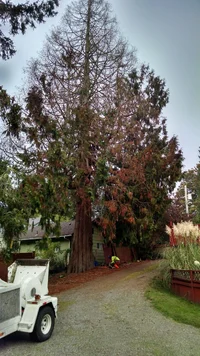
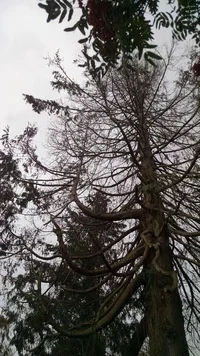
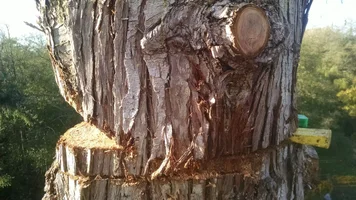
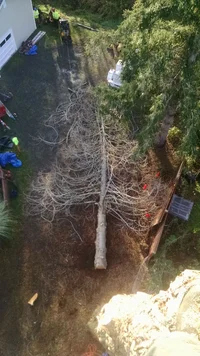
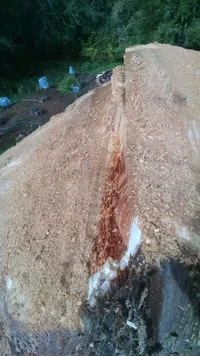
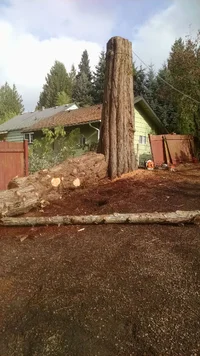
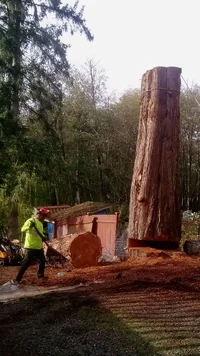
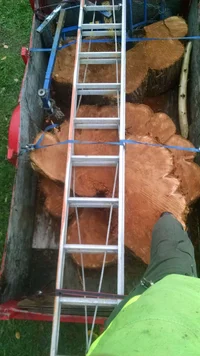
evo
Been here much more than a while
- Location
- My Island, WA
Stocky Lil fella. Interesting choice in felling cuts, any sign of beetles?
southsoundtree
Been here much more than a while
- Location
- Olympia, WA
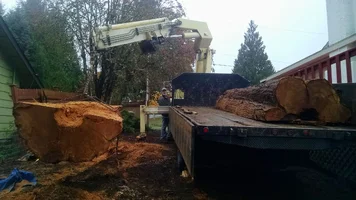
Ripped the butt log to lift it.
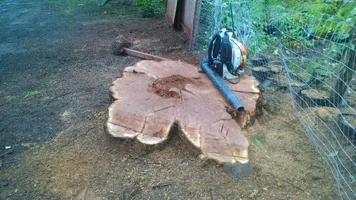
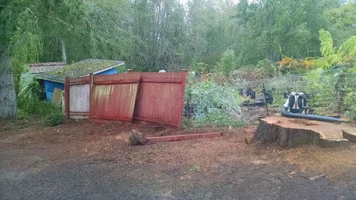
I cut out the concrete that was overgrown by buttresses. I've suggested making a cool planter/ bench. Since the concrete is gone, the surprise river cobbles around the uphill side need to be dug out, and it can be ground. Downhill side is over a foot out of the soil, and could be cut off more, left onsite as firewood.
A diameter tape, wrapping the stump cut would probably read 5', with flare from there downward, easily adding 6-8" on each side.
What would you charge to only grind, 8" below low-side grade?
Off-site disposal and cleanup?
BTW, cedar is softer. Heart is rotten.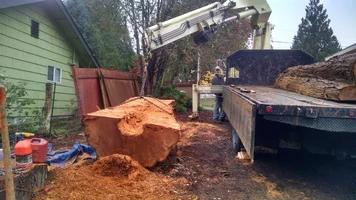
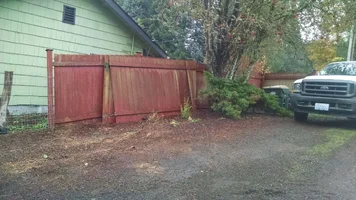
I cut out the concrete that was overgrown by buttresses. I've suggested making a cool planter/ bench. Since the concrete is gone, the surprise river cobbles around the uphill side need to be dug out, and it can be ground. Downhill side is over a foot out of the soil, and could be cut off more, left onsite as firewood.
A diameter tape, wrapping the stump cut would probably read 5', with flare from there downward, easily adding 6-8" on each side.
What would you charge to only grind, 8" below low-side grade?
Off-site disposal and cleanup?
BTW, cedar is softer. Heart is rotten.
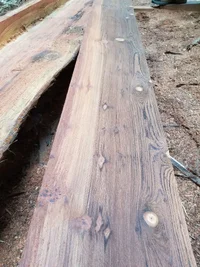
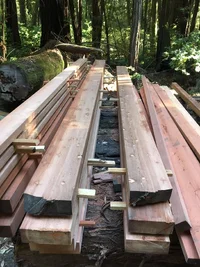
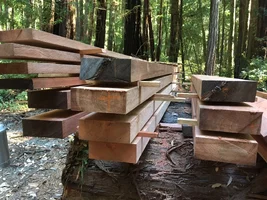
Fivepoints
Carpal tunnel level member
- Location
- East of Huntsville, AL
Oil change time. 11 gallons later...


semifnordic
New member
- Location
- Northeast OH
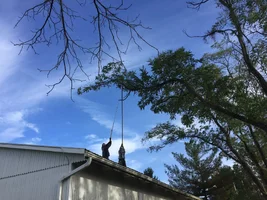
Funtime activity today: Dealing with some black locusts leaning over a barn. The strategy ended up being standing on the barn roof using pole saws to remove branches small enough that they could fall on the roof without damaging it to get some weight and bulk off the top. We then got a rope at the top, pulling diagonally back (away from the barn), and felled it basically parallel to the barn but with a tapered hinge.
Patented double pole saw technique for especially wiggly trees (holding branch in place with hook on one saw, cutting with the other):
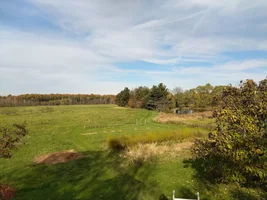
A view from the roof on a beautiful fall day:
Patented double pole saw technique for especially wiggly trees (holding branch in place with hook on one saw, cutting with the other):
A view from the roof on a beautiful fall day:
southsoundtree
Been here much more than a while
- Location
- Olympia, WA
Pulling branches down with a rope to cut is also legit. When you get the weight off, they stand up higher, sometimes enough to get rigging clearance, other times enough to have enough clearance from the house without more pruning. I had a cherry like this not that long ago...way to spindly to climb out, just out of reach. I can step on the rope with a foot. I prefer not to have employees on the roof. Only one person working in the area, cutting overhead.
A couple pieces of plywood on a flat-enough roof don't hurt. Peace of mind for the roof owner.
A couple pieces of plywood on a flat-enough roof don't hurt. Peace of mind for the roof owner.
semifnordic
New member
- Location
- Northeast OH
A couple pieces of plywood on a flat-enough roof don't hurt. Peace of mind for the roof owner.
We thought about that, but then decided hauling sheets of plywood up onto the roof sounded too much like work




















