What's this funk on my Red Oak

Location
DFW
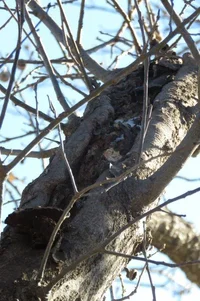
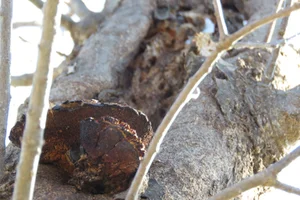
Any ID or advice? Will it spread? Should I remove the limb? This is in North Texas. I think on a Red Oak. The limb is alive, it had leaves and acorns this year.

Thanks a bunch.
 

Attachments

  • IMG_1164.webp
    IMG_1164.webp
    89.9 KB · Views: 67
  • IMG_1167.webp
    IMG_1167.webp
    276.8 KB · Views: 66
Bracket or conk (white rot by the looks of it) fungal decay. Consuming the exposed interior wood. Tree wound reaction seems strong and many sprouts arising from it. A closer and thorough inspection by an arborist well versed in decay will tell you more.

Consider a branch end weight reduction and monitor the tree and branch. However, also it depends on what is located within the potential drop zone and the tree owner's tolerance for risk.
 
Last edited:
Maybe sun scald from the pruning spread inward? Wish I could see the whole tree.

Thanks for the responses.
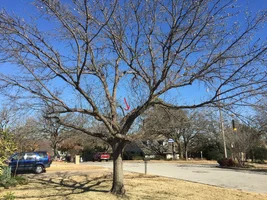
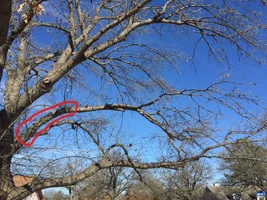
Here's the whole tree and the bad limb with the rotted part indicated. My dilemma is that I'm inclined to leave the limb as a food source for the birds unless the problem will continue to spread. Also I wonder if I need to do additional treatment beyond removing the limb.
whole.webp
IMG_3983_Ink_LI.webp
 
What's the Collective saying?
320x240.webp
Lots of good buds on the tree but also quite a bit of water shoots. Is there any maintenance history and stess events that you're aware of? Gathering some history when possible can make a world of difference.

I would add a mulch bed as big as the HO will allow and then ask for more. Soil test as well. Probably NaCl issues near the street
 
@JD3000, are you saying NaCl from the city's snow/ice control? If so this shouldn't be an issue if the tree is in Dallas, we don't salt our roads in Texas. That's why people love buying classic cars in the south.

Sent from my SAMSUNG-SM-G891A using Tapatalk
 
That was my thought Tyler. If this tree is down South I suppose you would be right.
Us Yanks and our road salts...

The soil test I would still recommend. Not only will it provide chemical and physical soil stats, but can also give you some idea of history if the HO says that the tree and lawn have been fertilized but there is no actual papework and history to work with. Remember, conventional fertilizers are salts and usually not what an established tree needs.
 
JD is right; very strong response. reduce the endweight and don't worry about it. Removing this limb would increase the risk of other limbs getting problems.
And don't allow overpruning, in Dallas or anywhere!
 

New threads New posts

Back
Top Bottom