It's also interesting, when investigating, that historical information precludes much of the last 20 years of "discoveries" made by researchers who believe their discoveries are groundbreaking.
Take oak wilt - adamant about it's presense in Texas being not that particular pathogen when die-offs were reported in record numbers in the early 1980's, Texas A&M took the lazy way out by citing one study from MN that suggested wilt can't live in 95(+) degreeF temps. For the next eight years they chemically treated the hosts with Arbotect, which we now know mutated wilt to become the virulent fungi it now is - A&M diagnosed the deaths as "Decline", a generic designation that sloopy lab work concluded from secondary rotting fungi that cultivated from dead oak samples.
They hushed this mess aside and took money from the chemical industries to promote another general fungistat with a label, ALAMO. Not much improvement. Oops.
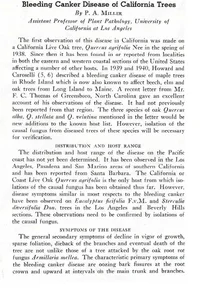
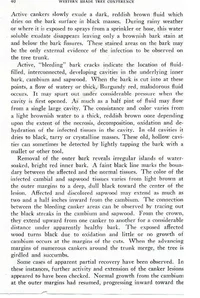
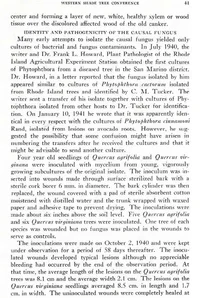
They state that wilt 'mysteriously' became a local problem, unknown before their recent "heroic" discoveries, sans the massive sloopy errors in research. I found a very interesting report from 1914 written for the U.S. Plant Service that indicated wilt's effects and the accurate diagnostic evidence included in it - wilt was here and always was...although selective and minor in it's events. We may have never developed this current epidemic if this school, as mandated by out State, would perform itself to it's capacity but individual egos in the dept.'s overruled the methodology of sane science and went ahead to treat - with profit goals in mind - a disease that was formerly just a local and natural feeding effect. Wilt's become the number one most costly hardwood epidemic for AMerican forests in our history, because someone didn't browse through the available but archived valid innformation.
Now some of us treat using the old methods, choosing to divorce ourselves from the marketing-mentality of high profit, approved for use, toxic but deadly non-target specific poisons, pushed not unlike Vioxx, rushed to market before any health studies were done.
Then there's the environmental issues, atmosphere unlike we had it 100 years ago, powerplants and the GOP's insistance that there's no melting going on and we're winning the war on terror, and the exacerbating effects of the air we breath combined with the weakness of all trees now to get nailed by diseases that before were commonplace and survivable, just something that limited imbalance.
As arborists we're charged with saving - if possible - individual trees with personal high value. It's to become more and more frustrating and the tools we're using are limited or exclusionary. The real issues will be not that yard tree, but the forest down the road. Composition of which trees grow where will always be changing, hopefully what we discover about our urban trees will translate to the forest and the funded research institutions that are political and economic foremostly, will quit being influenced by the short-visioned dollar and the thirsty greedy companies who approach them for approval and marketing validations.
The old plant data and books will always be a source of valuable tools we can use, as changes happening now demand it and the last fifty years of chemical mentality will yield to what used to be practical and real guide sources. Anyone ever read Luther Burbank - or even know who he was?
If I were king for a day I'd insist that to earn a master arborist's cert, one would have to study Burbank and read The Secret Life of Plants.