Still ms 150 mods

chiselbit

Been here a while
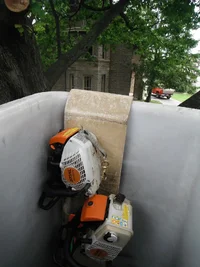
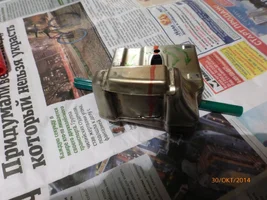
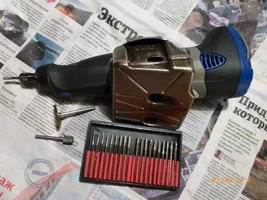
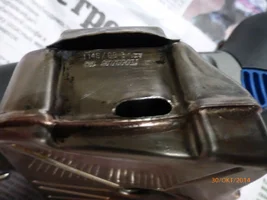
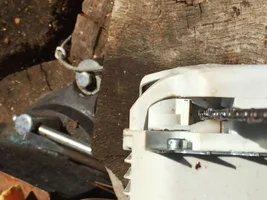
Ok so I've modified a couple ms 150's, I opened up the intake and exhaust and the saws run great! Far better than stock. Then I ran into problems with the saws being unable to keep up with the chips they are producing. Example: say I'm taking down a conifer, loving the lightweight 150, get to the top and want to sail a 10" dia top before I call down for a bigger saw. Partway through the saw would clog up with chips and stop the chain. I'd then have to pull the saw out of the cut, manually rotate the chain by rolling it against the trunk or a limb, hold the saw in a horizontal attitude with the handle on top and rev the shit out if it to clear the chips. Very annoying. I recently hogged out the chains pathway using a dremel and a rotobit. I carved away most of the non essential plastic on the side cover and the two plastic guide pads that sit in either side of the bar and chain. This has made a big difference but I'm wondering if anybody has done something else that I'm not seeing? I'm thinking a deflector flap of some kind to keep the chips from getting inside the cover but having trouble taking it from concept to reality. I thought perhaps some of you ingenious inventor types might have some ideas. Thanks for your input.
 

Attachments

  • image.webp
    image.webp
    189.3 KB · Views: 141
Ok so I've modified a couple ms 150's, I opened up the intake and exhaust and the saws run great! Far better than stock. Then I ran into problems with the saws being unable to keep up with the chips they are producing. Example: say I'm taking down a conifer, loving the lightweight 150, get to the top and want to sail a 10" dia top before I call down for a bigger saw. Partway through the saw would clog up with chips and stop the chain. I'd then have to pull the saw out of the cut, manually rotate the chain by rolling it against the trunk or a limb, hold the saw in a horizontal attitude with the handle on top and rev the shit out if it to clear the chips. Very annoying. I recently hogged out the chains pathway using a dremel and a rotobit. I carved away most of the non essential plastic on the side cover and the two plastic guide pads that sit in either side of the bar and chain. This has made a big difference but I'm wondering if anybody has done something else that I'm not seeing? I'm thinking a deflector flap of some kind to keep the chips from getting inside the cover but having trouble taking it from concept to reality. I thought perhaps some of you ingenious inventor types might have some ideas. Thanks for your input.
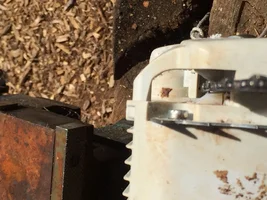
And to clarify: it clogs when the saw is cutting horizontal with the gas and oil tanks on the bottom.
 

Attachments

  • image.webp
    image.webp
    213 KB · Views: 77
Hey Treevet nice vids. So how does one go about advancing the timing? That's not going to help with the chip displacement but I bet it would get rid of the stumble coming off idle.
 
And to clarify: it clogs when the saw is cutting horizontal with the gas and oil tanks on the bottom.

imo you have to find the right chain tightness to prevent chain jamming. And it helps to rev it out after cutting a little to clear buildup or sometimes even during cutting. Seems to do it most in real dry wood like ash. I have gotten it to almost never do it from just feel and listening to it.

Gotta have a little patience with this saw unlike a 200 while cutting from lack of torque. But it pays off in the long run. I seldom ever take canopies out without the 150 even on big td's like in the vids (those branches dropped were hitting the top of the canopy of 50 foot plus trees).

New chain periodically is important and they are so cheap. Quite difficult to sharpen with such small teeth. But in the positive...the kerf is so small that even a lightly dull 150 cuts quite good as long as it is not cutting crooked.
 
Thanks treevet, I'm in California so I kinda doubt Brad is going to be an option for me but you've definitely sparked my interest in advancing the timing. I got a 150 after I watched your video couple years ago, and I liked it so much I bought 2 more. I'm like you, I take one up into everything but the real big dismantles. And sometimes I'll even start the gnarly ones with a 150 and then switch to a bigger saw when I get into bigger wood. And I totally agree: change the chains often.
 
Thanks treevet, I'm in California so I kinda doubt Brad is going to be an option for me but you've definitely sparked my interest in advancing the timing. I got a 150 after I watched your video couple years ago, and I liked it so much I bought 2 more. I'm like you, I take one up into everything but the real big dismantles. And sometimes I'll even start the gnarly ones with a 150 and then switch to a bigger saw when I get into bigger wood. And I totally agree: change the chains often.

Quite often Chis, they both going up if feasible...

DSCF2262.webp
 
No video but some opinions of it in stock form, mine is still that way for now.

They are cold blooded. You have to give them time to warm up. If there off for more than 10 minutes give them 30 seconds to rewarm. If it is the first star of the day, use the primer and pump it the 9 or 10 times they recommend. Use both chokes until it burps, then unchoke and it will start in a pull or two. Let it warm up for a few minutes, if not it will just hesitate and stall.

Make sure you tune it for where you live, it likes to be rich and tune it in a log.

Always keep the chain razor sharp or carry a few spares.

Keep an eye on the chain tightness. Too tight and it stalls, to loose and it gets sloppy in the cuts. I only mention these because I find the chain tightness to be way less forgiving on these micro chains.

When all is well they cut like a beast (I had mine on some 8" stuff today with no problems). When they start to have a problem they go down hill fast. It's really all about enough gas and about keeping the chain ultra sharp and tensioned properly.

and of course it's not 90cc's so use your brains first and the 150 second.
 

New threads New posts

Back
Top Bottom