Yes, a deciding factor of success is the individual trees ability to respond to the pruning by sprouting lower in the canopy. What can be done to encourage the desired sprouting? scraping outer bark off of nodes seems worth trying. Nicking phloem off just above buds might trigger them by cutting off auxin. Remember that if buds and small laterals get light, they get big. For big trees, throw the 1/3 rule aside.
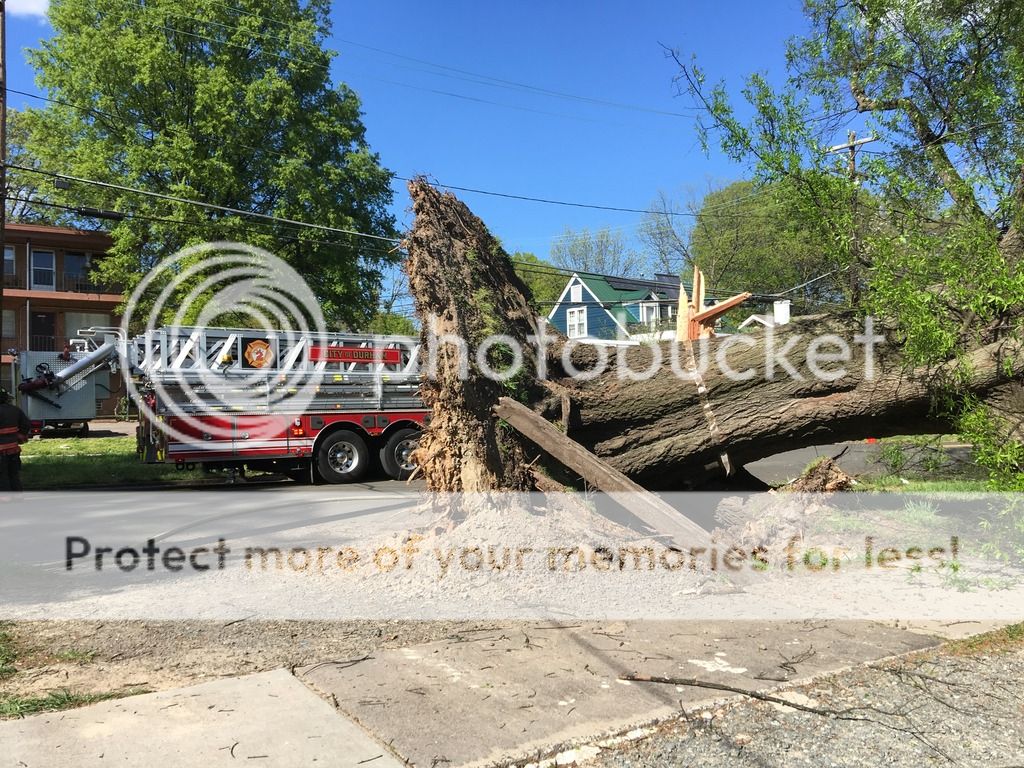
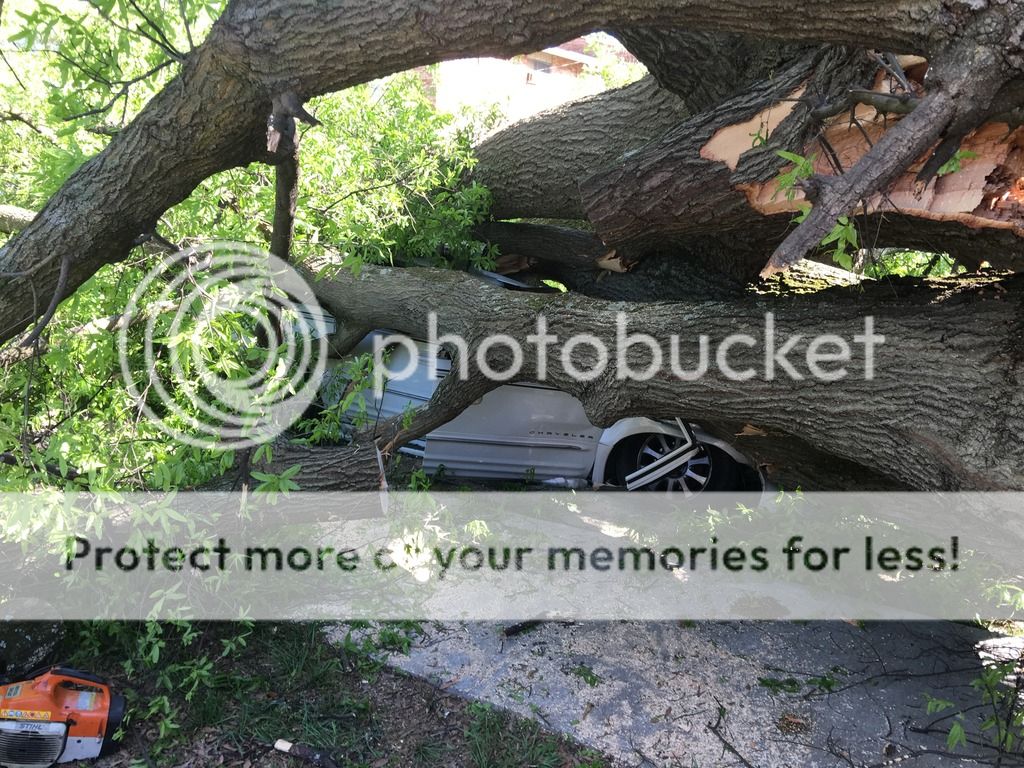
"The other major problem we are having is extensive basal decay, Inonotus dryadeus, ganaderma, etc." My unfavorite adjective, extensive! The sight of conks drives people crazy. 1st attached
"As our large trees are dying" They sure do look like they are living! The trees in Burlington are the same age, the same species, and squeezed into Narrower spaces. No one says they are dying.
And...is anyone really assigned to make that judgment? Fools rush in; why jump to conclusions? Think in Tree Time. The tree knows better!
"and being removed, the trees that remain are subject to new wind loading that they haven't seen before." Bingo! This added risk needs to be a factor in those removal decisions, along with irreplaceable tree benefits. Sadly, the replacement trees will never replace the existing trees in canopy size). Once all the data are considered, and fungus inspected and accepted for what it is, tree retention makes sense.
"The effect of reducing bending moment may be overcome by new wind forces in trees of reduced mechanical ability because of decay." How likely is that? Examples are rare. Decay gets waaay too much credit for strength loss. It's much more likely the tree will compartmentalize and survive. Noted scientists agree,
https://www.bartlett.com/resources/Compartmentalization-Of-Decay-In-Trees.pdf
This is just basic reduction pruning. Nothing radical.