I Don't Know What to Do With My Spruce

Hi everyone!

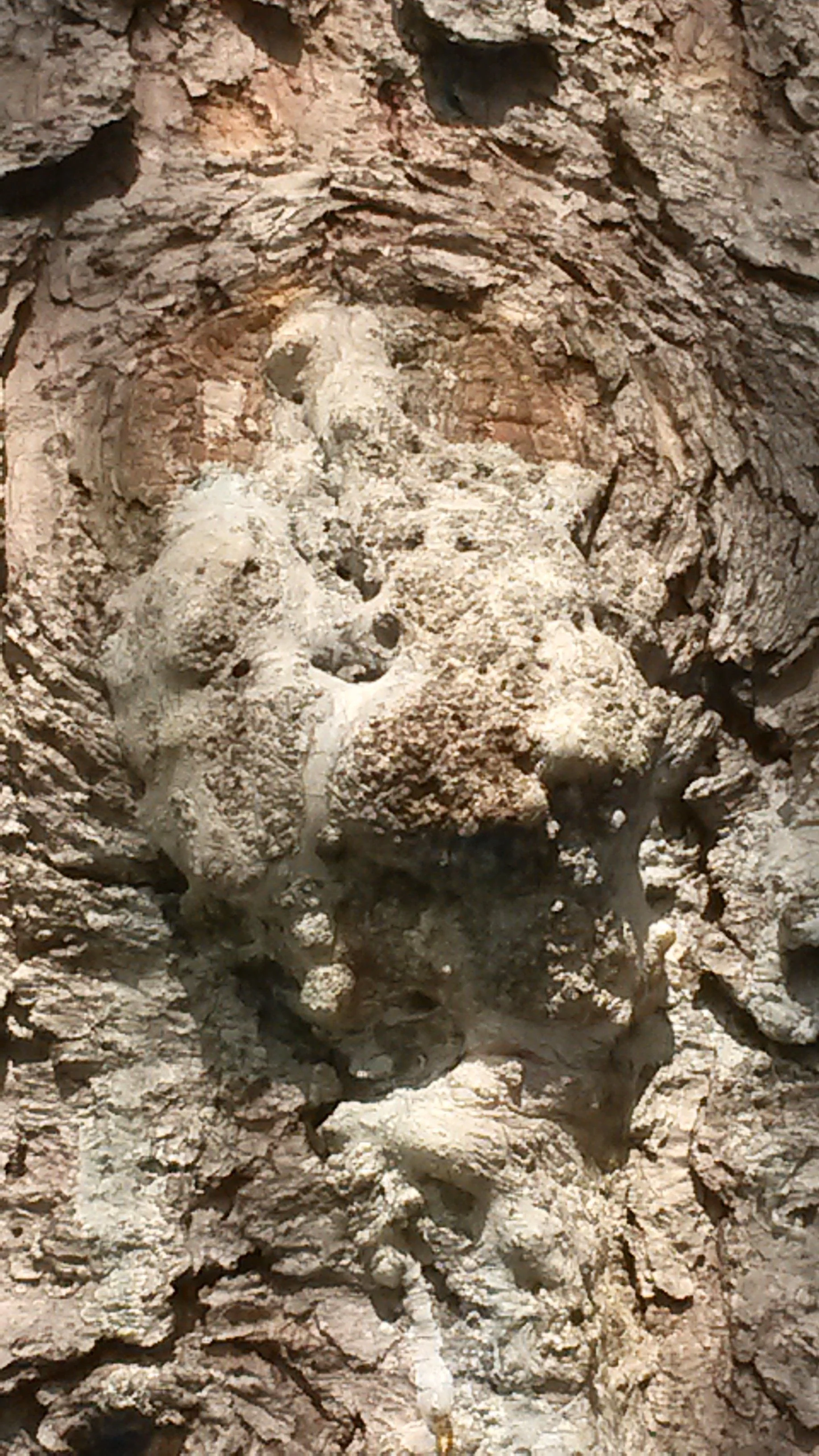
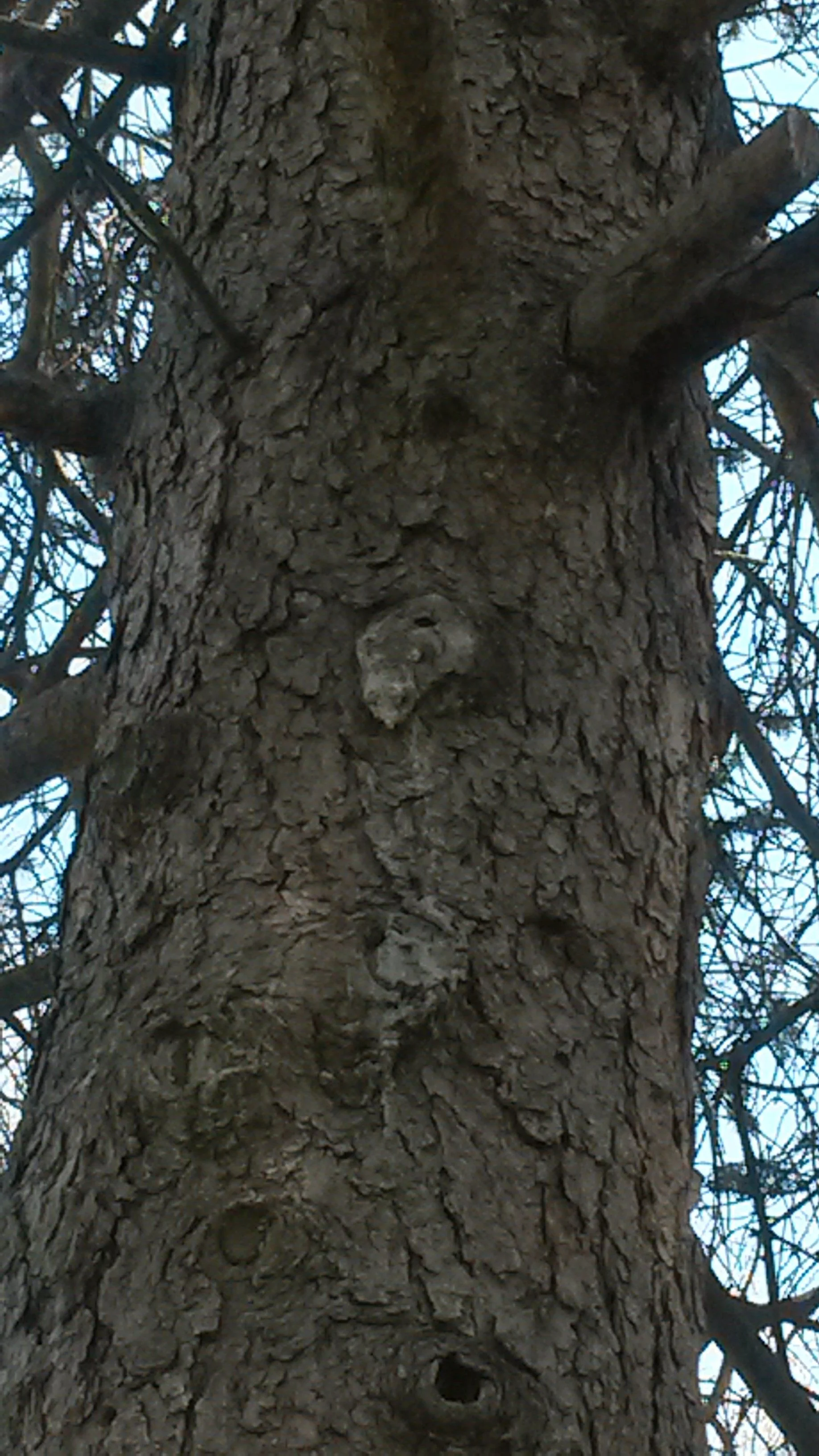
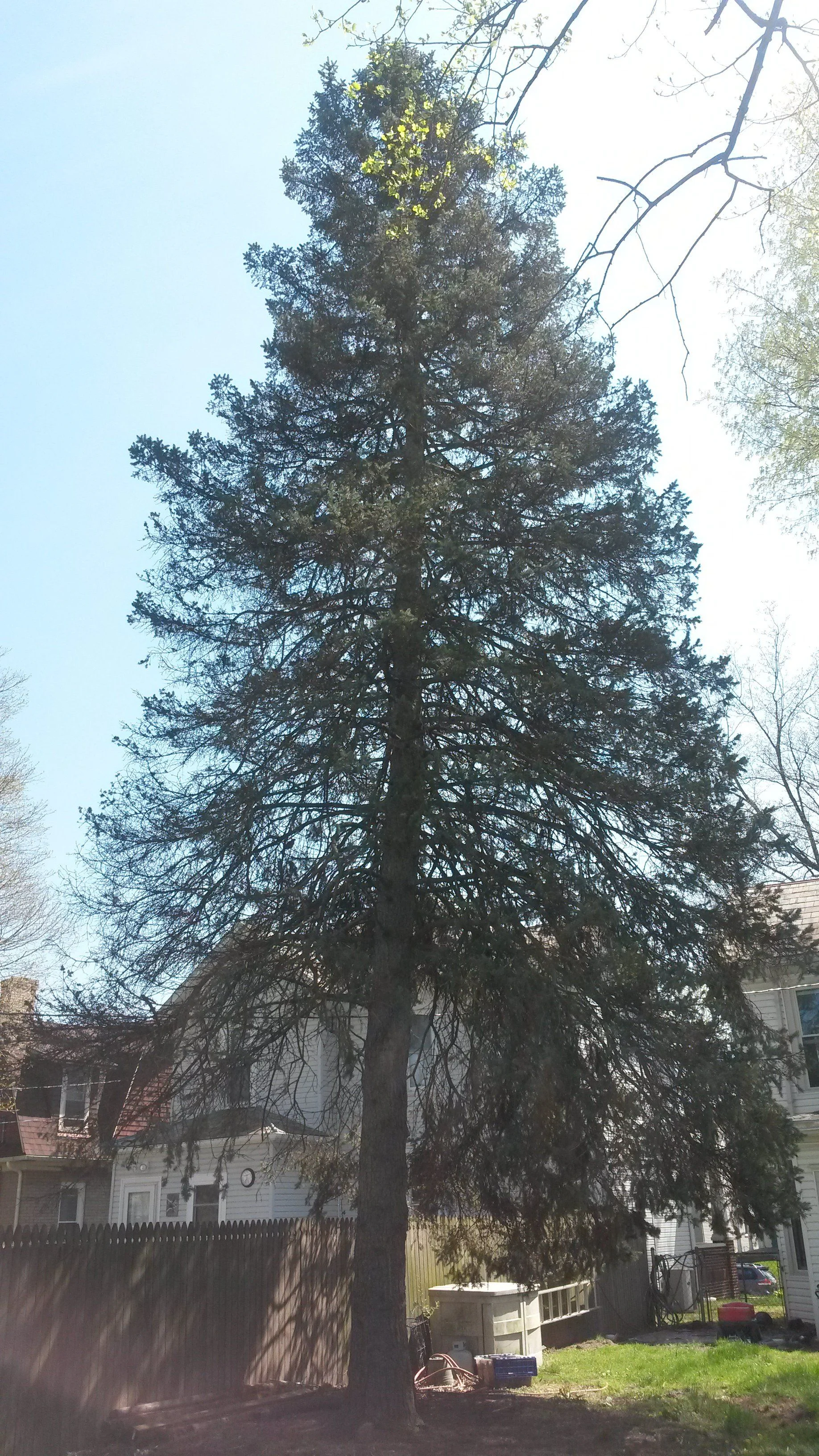
We had a very droughty summer last year, and apparently it triggered some disease in my old blue spruce. I'll try to attach pictures, but in case it doesn't work, the details are that it still has new growth on the tips of the branches, although the north side of the tree seems to be dying off. I see cankers in the trunk of the tree. The tree is about 80-90 years old, and we'd like to save it if possible, but will take it down if need be.

I've heard from two tree services out of the five that I've called. One recommended taking it down, and the other said it could be saved using Mycoject Ultra now and liquid fertilizer injections in the fall. I don't know what to do, and it's very hard to get people over here because it's insanely busy for tree services this time of year. Any advice would be greatly appreciated.
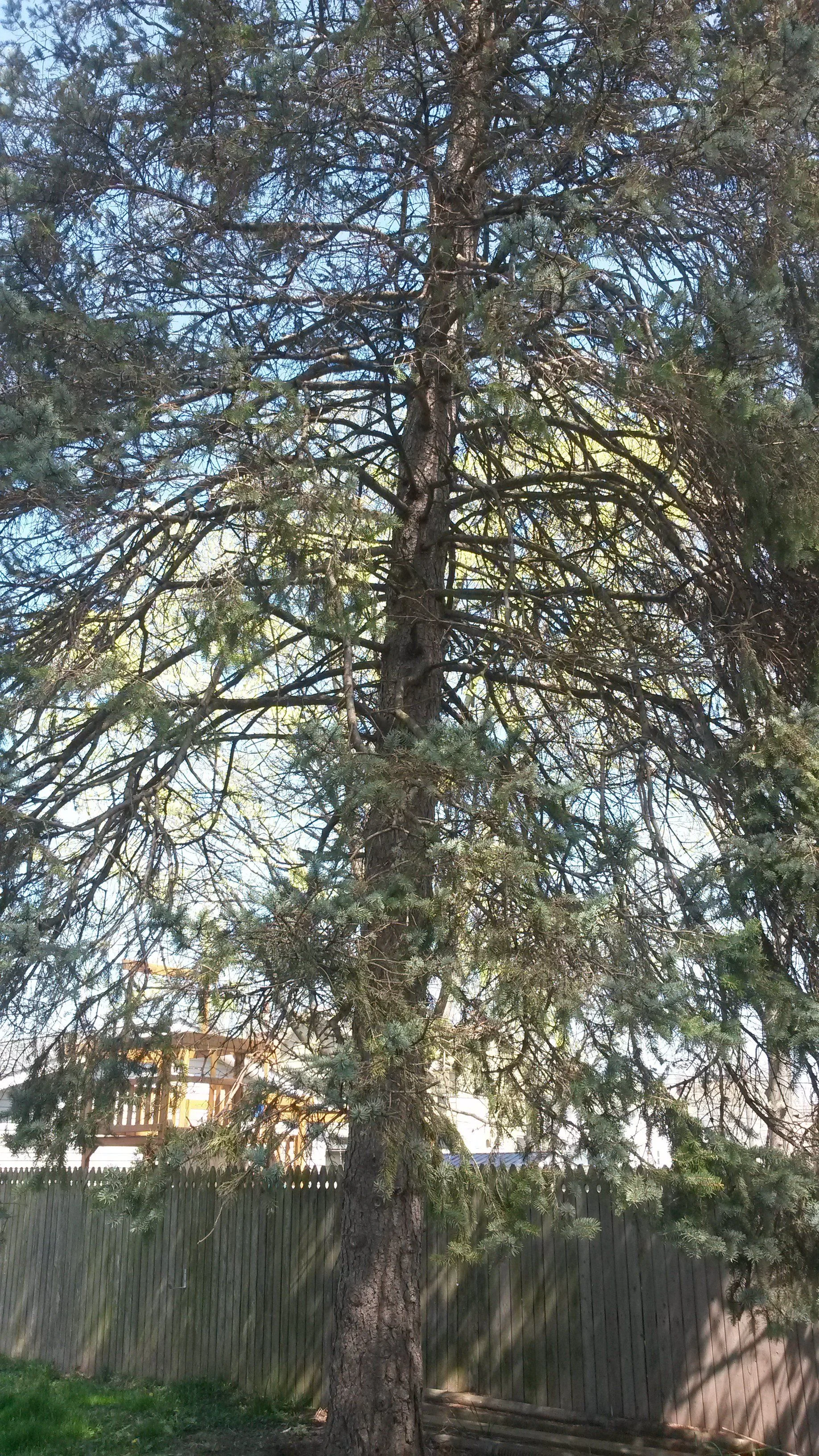
 
I wouldnt invest too much time or money into it. Seems like Rhizosphaeria needlecast along with either cytospora canker or a clearwing borer or possibly bark beetles. Very problematic trees in many regions and I recommend that they never be planted in my area.
 
I wouldnt invest too much time or money into it. Seems like Rhizosphaeria needlecast along with either cytospora canker or a clearwing borer or possibly bark beetles. Very problematic trees in many regions and I recommend that they never be planted in my area.

Thank you, JD! If you're in Columbus, OH, then you have native intelligence about this area. You think it would be a better idea to take the tree down, or should I just wait and see if it bounces back?
 
Thank you, JD! If you're in Columbus, OH, then you have native intelligence about this area. You think it would be a better idea to take the tree down, or should I just wait and see if it bounces back?

They don't normally bounce back. We have fir trees that we are treating for needlecast and root decay issues with fungicide treatments. So far they haven't gotten worse. I would have (and did) recommended removal but the client was insistent on trying everything first. So it really comes down to what you want to spent to correct the issue(s).
Where is Lancaster? PA?
 
They don't normally bounce back. We have fir trees that we are treating for needlecast and root decay issues with fungicide treatments. So far they haven't gotten worse. I would have (and did) recommended removal but the client was insistent on trying everything first. So it really comes down to what you want to spent to correct the issue(s).
Where is Lancaster? PA?

Hi Flying Squirrel! No, we're in Ohio, about 30 miles SE of Columbus. We're different from PA in that we pronounce our town name LANG-kiss-ter.
 
Yeah the Clevelander in me prounounces it the same way.

Soil conditions your way are a bit better than here as far as pH and drainage but still not ideal for alpine species such as your. I could extend it's licespan and probably get it to look a bit better but it would be expensive and pathogens will eventually win in the long run.
I would personally remove and replace with something else. Norway spruce usually perform quite well around here.
 
Yeah the Clevelander in me prounounces it the same way.

Soil conditions your way are a bit better than here as far as pH and drainage but still not ideal for alpine species such as your. I could extend it's licespan and probably get it to look a bit better but it would be expensive and pathogens will eventually win in the long run.
I would personally remove and replace with something else. Norway spruce usually perform quite well around here.

My DH did some research and found a university paper that said these spruces can live for 200+ years out in the wild, but only 20-40 years as a decorative plant in a residential setting. Giving that it's got to be at least 80 years old, we're thinking along the same lines as you are--its life can be extended for a while, but its days are numbered.

That said, we're taking estimates for removal. If you would like to give an estimate. that would be fine. I've received one estimate so far in the $800 range to take it down and haul it away. I can't get anyone else to call or come by--very, very busy this time of year.

I'm also willing to hold off until winter for a lower price. Our house is a fixer-upper, so I have to keep the budget down. Let me know if you're interested. Thanks!
 
"I wouldnt invest too much time or money into it. Seems like Rhizosphaeria needlecast along with either cytospora canker or a clearwing borer or possibly bark beetles. Very problematic trees in many regions and I recommend that they never be planted in my area."

JD3000, how do you know it has needlecast without examining the foliage? I might reluctantly go along with Leucostoma (cytospora) canker due to the resinosis and the bottom-up dieback, but to say it has the other problems is a stretch. I think if Rusty is serious about saving the tree he should have a consulting arborist look at it. BTW, according to Sinclair et al, Norway spruce is susceptible to Leucostoma canker, so I probably wouldn't replace the tree with another spruce.
 
"I wouldnt invest too much time or money into it. Seems like Rhizosphaeria needlecast along with either cytospora canker or a clearwing borer or possibly bark beetles. Very problematic trees in many regions and I recommend that they never be planted in my area."

JD3000, how do you know it has needlecast without examining the foliage? I might reluctantly go along with Leucostoma (cytospora) canker due to the resinosis and the bottom-up dieback, but to say it has the other problems is a stretch. I think if Rusty is serious about saving the tree he should have a consulting arborist look at it. BTW, according to Sinclair et al, Norway spruce is susceptible to Leucostoma canker, so I probably wouldn't replace the tree with another spruce.

pcarborist, do you think there might be potential to save it? If so, what is commonly done and how effective is it? As much as I love this tree (it has a history), I have to deal with it as affordably as possible.
 
Rusty, first of all you have to correctly diagnose the problem. To prescribe treatment without knowing the cause is malpractice. If its a fungal infection such as Leucostoma or Rhizosphaera its pretty much a lost cause. Wood borers and bark beetles can be controlled through chemical but it may or may not be sustainable. Most arborists will come and look at if for about $80-100.
 
Your right I haven't seen it or done a site assessment or site history. Purely speculative on my behalf.

But I'm in the keep em alive side of things rather than removal....know of any wonderful fungicides for spruce canker you would guarantee will work? Or a lifetime of fungicde sprays for a tall tree in a region loaded with infected spruces nearby for constant source of innoculum? No thanks. They shouldn't be planted here and I'm sticking to it. Someone else can bill folks for stupid PHC work. Not my bag.

But then again, other things could be wrong with this tree. Have someone look at it first.
 
Rusty, first of all you have to correctly diagnose the problem. To prescribe treatment without knowing the cause is malpractice. If its a fungal infection such as Leucostoma or Rhizosphaera its pretty much a lost cause. Wood borers and bark beetles can be controlled through chemical but it may or may not be sustainable. Most arborists will come and look at if for about $80-100.

I don't know if it helps, but my neighbor across the street has a similar tree that also has the dying-from-the-bottom thing going on. I'll try to get a picture of it during daylight tomorrow, but it seems awfully similar to the state my spruce is in.

In all fairness to JD3000, I invited folks here to assess the tree by putting pictures of it online, because I'm having a really difficult time getting people out here to come see it in real life. So far one tree guy has said it's a lost cause and gave me an estimate to take it down. Another didn't ring the bell, so I don't know if he went into the back yard and looked at the tree up close, but he left a note that said because it's still producing growth, he believes it can be saved with Mycoject treatment, even though it looks significantly stressed. I never got a chance to talk to him about it or get his diagnosis.

So, I'm really confused. And I've made six phone calls to tree companies and these are the only two responses I've received. So, while you're right, it would be better to have a pro come out here and look at it, I really, really appreciate you guys giving me opinions and feedback. I don't think less for getting an opinion based on pictures.

PS: This house is 117 years old, and we are only the 3rd owner. This tree was a tree-in-a-cup that the 1st owner's kid brought home from school back during the Depression. So yeah, we think the tree is special. We'd save it if we could, but if it can't be saved, well, I guess we'll just have to put something else wonderful there.
 
Your right I haven't seen it or done a site assessment or site history. Purely speculative on my behalf.

But I'm in the keep em alive side of things rather than removal....know of any wonderful fungicides for spruce canker you would guarantee will work? Or a lifetime of fungicde sprays for a tall tree in a region loaded with infected spruces nearby for constant source of innoculum? No thanks. They shouldn't be planted here and I'm sticking to it. Someone else can bill folks for stupid PHC work. Not my bag.

But then again, other things could be wrong with this tree. Have someone look at it first.

You guys are right. I'm trying to get someone out here. But I still appreciate the opinions and you guys taking the time to let me know what you think. I know it's not fair to try to get an opinion based on pictures, but that's all I can really manage right now.
 

New threads New posts

Back
Top Bottom