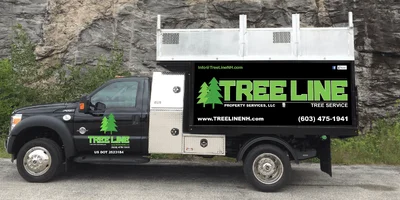
Anyone try and keep their trucks out of the salt?

Gareth's Tree

New member
Location
Ashtabula
For the first time this year I'm pushing to try and keep my driving work trucks on salty roads to a minimum. Living in Northeast Ohio makes that quite a challenge. I know some guys who just shut down in the winter all together, but I don't think I can do that. I slow down a lot in the winter time but any income I can get is usually needed. Also, I would hate to tell a regular customer "sorry I can get to you in 3 months" for fear I would lose them. I did have my trucks fluid filmed this year. But not so I could drive them in salty slushie conditions all winter. What do you guys do in the winter?
 
Maybe get a car wash subscription. Taking the winters off all together is a good idea on paper... But most of us that are ambitious enough to work for themselves, are too stirr crazy to take 3 months off!
 
Maybe get a car wash subscription. Taking the winters off all together is a good idea on paper... But most of us that are ambitious enough to work for themselves, are too stirr crazy to take 3 months off!
It seems like between spending time with the family, projects around the house, projects in the barn, and other things I managed to keep myself busy whether I'm working or not! And actually I thought about taking time this winter to study and maybe become a certified Arborist. I would also like to update my web page...
 
All our trucks get washed at the end of the day in crap road conditions. Not as bad as you up in the Snow Belt (I dont miss it...) But crappy enough here.
 
When I spec'd out my chip truck I had plastic fenders installed. Main area for rust from what I have seen is always above the rear wheels because they sling up salt and dirt and it gets trapped up there. Im gunna add them to my bucket truck, and any other trucks moving forward. My buckets flatbed is totally rusted out above the rear wheels, along with my 95 international 4700.
IMG_1608.webp
 
When I spec'd out my chip truck I had plastic fenders installed. Main area for rust from what I have seen is always above the rear wheels because they sling up salt and dirt and it gets trapped up there. Im gunna add them to my bucket truck, and any other trucks moving forward. My buckets flatbed is totally rusted out above the rear wheels, along with my 95 international 4700.
View attachment 48329

I like the plastic over the rear wheels. Not required but DOT but a great idea and probably cheap enough to add. The front fender flairs have a tendency to trap debris (salt, mud and crap) behind making it difficult to clean and hiding a possible growing cancer.
We try to stay off salt but it never works. Saturday we got 3” of snow and the state put 2” of salt out. We wouldn’t work for at least a week (until traffic or rain washed it off the road) trying to avoid it. I am hoping to have a warm day each week that we can at least rinse the trucks off to avoid the infamous truckcicle. Car washes around us forbid our use of their establishments, I guess we clog their drains.
 
For the first time this year I'm pushing to try and keep my driving work trucks on salty roads to a minimum. Living in Northeast Ohio makes that quite a challenge. I know some guys who just shut down in the winter all together, but I don't think I can do that. I slow down a lot in the winter time but any income I can get is usually needed. Also, I would hate to tell a regular customer "sorry I can get to you in 3 months" for fear I would lose them. I did have my trucks fluid filmed this year. But not so I could drive them in salty slushie conditions all winter. What do you guys do in the winter?
 
You can't really beat salt, but you can try. Don't use a car wash unless you know if they recycle their water. If they do it will be salted water, as they can't filter salt out. Not what you need. To reduce salt exposure stay out of the salted slush, keep well back from traffic in front of you. They put spray up that soaks everything under the hood. Salt is a hydrophilic chemical that will forever pull moisture from the air and keep corrosion of the metal it is on going. It uses oxygen to feed the corrosion and damage is sure to come. Spraying something over it to block the oxygen for awhile helps, but must be replenished often or yearly. One product to stop the corrosion is corrosion x, out of Texas if I recall right. It comes in 3 formulas, marine, aviation, auto I think. It says it gets between the metal and the salt, lasts for a year unless blasted away. Woodmizer wants their mills oiled with ATF diluted with fuel sprayed over them. ATF has more rust inhibiting crap than other oils and ATF doesn't hurt seals and such, Mix it 3qts in a 5 qt jug and thin it, then put it in a good spray bottle and spray it on the metal you want to keep.Power paint sprayers work too,even bug sprayers .Don't spray near fire. But keep the stuff clean, no dirt . Dirt clogs and stops the sprayers and causes great rage in the spray man. Also if you have a spell before you are going to disassemble something corroded, pre spray it with the stuff and it helps it come apart later. I use this oil mix by the gallon, under the hood, exhaust, body[do the inside of the doors] frame,everything. 3 qts will do a pick up.Wash the brakes off with brake spray if you get it on them.
Making plastic fender liners helps. The rino spray bed liner stuff sprayed on the body lower sections when new will stay there even after the steel is gone. Rockers, doors, cab corners , under body all do real well with rino. How much money have you got. Good luck.

 
I've used stuff like this (from the UK though) in the past - it doesn't last forever but upside it's not as messy as asphalt based sprays when working on underbody or lights.
https://www.waxoyl-usa.com
There's probably other paraffin based sprays out there as well as home-made concoctions.
Washing does help, but we also use hot fresh water - dissolves the salt better, especially in cracks and crannies and helps the equipment dry more thoroughly afterward (key in my mind).
Problem we have here is the salt soaked grit used on our roads as well - blasts the paint or windshield with stone chips constantly. I've had a new windshield last exactly three days! Brutal. Even two part polyurethanes and epoxies chip. So plastic parts sound good to me as long as they're not subject to mechanical damage in the cold and they last with UV exposure in the summers.
Any bright thoughts out there? Anybody custom spec a miraculous coating from the chipper manufacturers that lasts? Or anyone know a railway car shop painter that has any ideas? I've seen railways using two part epoxies that after you couldn't dent with a hammer but the toxicity during application was brutal too.
This is a subject near and dear to my heart.
 
I really like the bed on your truck. But I'm trying to figure out how it all works... Is it a flatbed with removable steel sides and an aluminum top on it? (Way to derail my own thread huh?) Lol!
 
Keeping trucks out of the salt is not an option for us working through the winter. Its just inevitable. I have developed a great relationship with a local detail shop. Twice a year all the trucks get cleaned inside and out including waxed which really helps! After they are done in the fall they all come in for fluid film undercoating underneath. Over the past few years Ive really seen a difference in the overall wear of paint and amount of rust. Having them cleaned also allows for my guys to have a standard to try to stay with but keeps what they need to do to a minimum.
 
I try to to take my winters off.. There is so much to be done at the garage that gathered/broke down over the season, and its essential i have everything turn key when March comes!
Over the years I've come to the conclusion that it's cheaper to park everything. Not to mention everyone wants a winter special price. "What do you mean winter special? If i got to be out in freezing weather its going to cost more!" The equipment have a harder time starting, then they run all day to stay warm, batteries and starters take a beating, and the list goes on.. The Majority of tree guys in my area are working cheap just to have work. Not to mention the danger of slipping with a saw in your hand (done that and it was almost fatal) However if its dry/mild and no snow/salt is on the ground i do go out a day here and there just to keep from developing cabin fever. The only time you will see me in slush/ salt with my equipment exposed is if it's necessary as in a storm damage and a tree is sitting on my clients home or blocking his drive and there's good money involved!
I look at it like this, we all spend a fortune on our equipment why expose it to salt and shorten the life span of the trucks, chippers, and trailer's? Some will argue and say that's lost revenue not working, but they forget they will have to replace them sooner than someone that takes his winters off.. Just my 2 cents.
 

New threads New posts

Back
Top Bottom