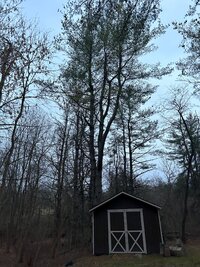
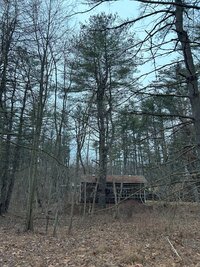
So far we've solved for three cases of puling a tree over'
First was set distance from the tree, what height/angle to set the rope. (diminishing returns)
Second was set height in the tree, what distance/angle to place the winch. (diminishing returns)
Third was fixed length of rope, what right-triangle to make with the rope. (45 deg best)
I pose a fourth question for solution. We know proportions or normalized amounts of pull over torque for the first three cases but they all had 90 degree upright trees. What about a back leaner? There's two parts to the answer. First part is pull torque analysis same as the first three cases. Matter of fact nearly same solutions likely apply. Second part of the answer is real world numbers based on tree characteristics for the torque preload caused by the backlean of the tree. Could be done in portions. First approx cylindrical trunk only, no top, wood species density, CofG hallway up, torque by offset of CofG x spar weight. Then maybe tapered spar, more real, lower height CofG, more complicated density/weight calc. Finally, trees with tops, goodness knows where to get data for this.
Perhaps there's some tables already published in good books?
First was set distance from the tree, what height/angle to set the rope. (diminishing returns)
Second was set height in the tree, what distance/angle to place the winch. (diminishing returns)
Third was fixed length of rope, what right-triangle to make with the rope. (45 deg best)
I pose a fourth question for solution. We know proportions or normalized amounts of pull over torque for the first three cases but they all had 90 degree upright trees. What about a back leaner? There's two parts to the answer. First part is pull torque analysis same as the first three cases. Matter of fact nearly same solutions likely apply. Second part of the answer is real world numbers based on tree characteristics for the torque preload caused by the backlean of the tree. Could be done in portions. First approx cylindrical trunk only, no top, wood species density, CofG hallway up, torque by offset of CofG x spar weight. Then maybe tapered spar, more real, lower height CofG, more complicated density/weight calc. Finally, trees with tops, goodness knows where to get data for this.
Perhaps there's some tables already published in good books?