Follow along with the video below to see how to install our site as a web app on your home screen.
Note: This feature may not be available in some browsers.
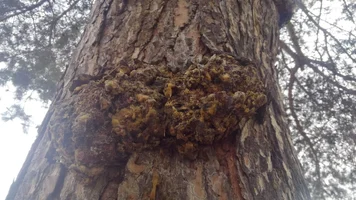
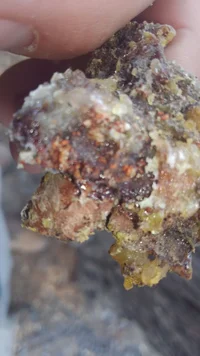
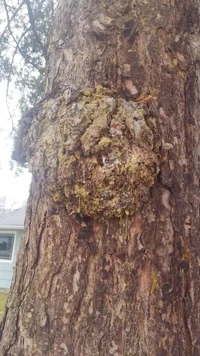
I wouldn’t call it a burl per say. Pitch moths typically go for branch collars causing limb failure in some cases. Swollen collars can be signs of some bugs infestations, but I think of it as a ebb and flow of wounding and response growth. Not unlike a target canker where the fungi kills the cambium then the tree starts callusing and then the next year it’s the fungus turn. Depending on the vigor of the tree and the persistence of the organism will determine the outcomeOr is that just a callus that formed over large pruning wound? Definitely looks like some insects involved though because there is some orange frass. Could the insects be secondary? Just not seeing anything on the pitch moths that looks quite like it.
Typically not though I have seen clearing moths and others go after burls and galls.Is it normal for pitch moth to cause a burl to grow?
Yes that makes sense? Any recomended treatment?I wouldn’t call it a burl per say. Pitch moths typically go for branch collars causing limb failure in some cases. Swollen collars can be signs of some bugs infestations, but I think of it as a ebb and flow of wounding and response growth. Not unlike a target canker where the fungi kills the cambium then the tree starts callusing and then the next year it’s the fungus turn. Depending on the vigor of the tree and the persistence of the organism will determine the outcome