Basswood
Carpal tunnel level member
- Location
- Long island
Man even if I try to cheat I can’t find the next level. 
I assume you’re looking for the cultivar?
I assume you’re looking for the cultivar?
Follow along with the video below to see how to install our site as a web app on your home screen.
Note: This feature may not be available in some browsers.
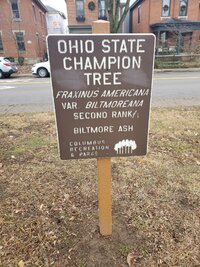
Yes. There's a sign in the picture that names it but I don't think it is visible. You could always Google Ohio State Champ Trees Columbus, but that would indeed be cheating!Man even if I try to cheat I can’t find the next level.
I assume you’re looking for the cultivar?
That’s what I did, although didn’t have intentions to post based off that.Yes. There's a sign in the picture that names it but I don't think it is visible. You could always Google Ohio State Champ Trees Columbus, but that would indeed be cheating!

It's a specific cultivar. Here's another clue. It is located in Schiller Park.I am getting the state champion white ash in Highland County...
Native Ohio Champion Trees
For tree species that are native to Ohio, these trees are the biggest ones we have measured.ohiodnr.gov
Well, yes and no. Rather than dragging this out longer, here's the answer. So whether you decide to call this Americana or Biltmoreana is a debate that is above my pay grade. I picked this one because initially it is easy but not easy to be exact about.OK...so not F. americana - right? I looked it up and have to admit, I wouldn't have gotten that without some help.

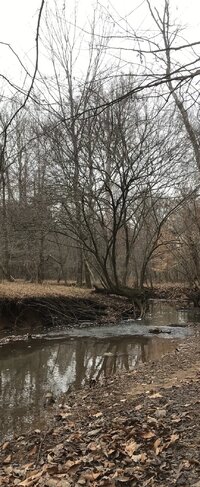
Nailed it! I can’t help loving these trees, especially the more unique onesCarpinus caroliniana?
They are in my top ten! Have scores of them growing in the holler here. Seen them thrive in deep shade and mostly sunny spots too. We should be planting more of them!Nailed it! I can’t help loving these trees, especially the more unique ones

Why take them out in the woods?It's funny...in the woods I tell people to remove them. But I like to plant them in the developed landscape.
They really don't do much towards most landowner goals...very little wildlife benefit, no timber potential. They can form dense pockets making it difficult for other, more desirable trees, to have the resources they need to grow. Same with Ostrya (which tends to be worse)...but Carprinus stays in wet areas.Why take them out in the woods?

Interesting perspective…They really don't do much towards most landowner goals...very little wildlife benefit, no timber potential. They can form dense pockets making it difficult for other, more desirable trees, to have the resources they need to grow. Same with Ostrya (which tends to be worse)...but Carprinus stays in wet areas.
Not really, but see enough coppicing, mostly sweet chestnut and black locust here in France for fence posts, firewood etc.Interesting perspective…
They are host to 49 insects, which isn’t too shabby. Nothing close to the hundreds of insects oaks support, but way more than, say liriodendron. A fantastic edge habitat tree in my opinion.
Mick have you effed around with coppicing and hedging? Lots of really talented practitioners in your neck of the woods.