













Treezybreez
Been here much more than a while
- Location
- Lancaster, SC
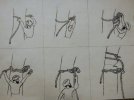
I've been using this knot since 2014. It is a very quick way to attach a sling and detach it. Sorry for the poor drawing, I'm not Moss.
Follow along with the video below to see how to install our site as a web app on your home screen.
Note: This feature may not be available in some browsers.


Yes, I did figure it out on my own, but that doesn't mean someone else hasn't figured it out simultaneously. When I first started using it, my ground guy was a little freaked out about how quickly I could pull it apart. Had to demonstrate that it wasn't just a half hitch holding everything together.Very clever!
Did you come up with the configuration or learn it from someone?
When ever I tie a slipped version of a knot/hitch I always add the half hitch lock on the slipped bite like you do. It locks everything and has never turned into a Knife Knot no matter what cordage was used or the load applied.
It's going to take me a while to digest this Mr. Spider. Always have learned a lot from you.To me fair build for a 1D pull away from host,
But I always like Round Turn base on host for a more availability 2D support structure against a 2D pull. Not trying to lessen that in efforts here, but in my own mechanical logic, this is what I see, and where would point ....
.
2D to me pull meaning a 1D lengthwise along host for Load pull that traces back to another 1D pull across host, 90 degrees from lengthwise pull to secure. The 90 legs make this 2D Loading. Should have 2D framework of possible support then. For me that means at least 3arcs opposing / Round Turn base.
.
Would look to seat against expected Load pull DIRECTION on any taper or deformation could. And make small notch on OPPOSING side of host to bed rope (where final nip shown in pic) into to try to mitigate lack of 2D rope structure. Really would do so with 2D rope support structure.
.
To me 1D support structure against a 2D Load is a maybe-baby. But 2D against 2D more of a COMMANDING structure in any materials on any day. Rope simply no different.

That's the new Vertex Vent Cyclone that Petzl came up with after watching Kevin Bingham work.Very neat, and good drawing. Curious why he’s wearing a bicycle helmet though…?
I thought the same thing. Still a lot neater than I could ever sketchVery neat, and good drawing. Curious why he’s wearing a bicycle helmet though…?

Yes, I am wondering the same thing….. and he’s not using fall protection. Maybe he’s high stumping on a steep hillside?….Very neat, and good drawing. Curious why he’s wearing a bicycle helmet though…?
"He that hath a beard is more than a youth, and he that hath no beard is less than a man. He that is more than a youth is not for me and he that is less than a man, I am not for him."Hey, did you grow a beard?
I used to use a cow hitch for attaching a block until I discovered this knot. It sped up production for me anyways. Plus after passing the bight through the dead eye, you can cinch it nicely. I use a large pear biner to attach the block to my harness when I'm not using it.In my mind removing the block is more inconvenient than opening a cow hitch and pulling the block+tail back through the bight.
Will have to give this one a try though, might be really slick for a ring sling























