Preservation vs Condemnation

Basswood

Carpal tunnel level member
Location
Long island
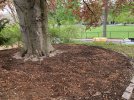
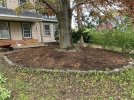
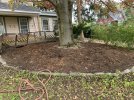
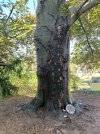
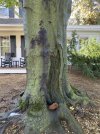
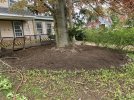
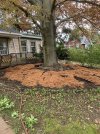
My focus has been preservation, and will continue to do so. But I want to be realistic at the same time. This is a big old copper beech that the client wants to maintain and keep I will use as an example. So far this year I’ve done a root invigoration with the air spade (amending the soil with shredded cedar mulch, compost and bio char around the entire tree to the drip line), have made a scale treatment, phytophothora/fert drench and a bark treatment for ambrosia beetle. The tree also has some well placed cables. Every time I visit this tree I can’t help but notice the large wounds and imperfections at the base making me question if it is worth continuing or recommending removal. Ultimately I want to see what others recommend and would do in this situation.

tree and airspading in July
4648457A-4156-4E97-9584-09023945DE8B.jpeg79D18A7E-A148-4C1D-A001-FA18C36828F5.jpeg3AE313A9-F376-459D-9509-E38D427DC6A2.jpegFBC18D6F-816E-4317-8996-76AEC0EBC412.jpeg


tree base
78647CB0-03D1-4C53-AB78-7224DB625F35.jpeg
103EDE1F-37EC-4866-A40F-AFA0278C075D.jpeg
 

Attachments

  • 65028142-67EE-441F-B0F2-9B962506A8AF.jpeg
    65028142-67EE-441F-B0F2-9B962506A8AF.jpeg
    1.2 MB · Views: 18
  • CF779D1B-8D49-4DE0-8126-1C8BD7ECB468.jpeg
    CF779D1B-8D49-4DE0-8126-1C8BD7ECB468.jpeg
    1.2 MB · Views: 19
Last edited:
Yeah I like the idea of reduction pruning and thought about recommendation to client or sales rep who I work with for recs. I truly hate seeing these larger trees removed but also want to be able to balance a preservation mindset with a realistic one. So I’d like to be able to recommend what’s best for that location and tree.
 
Diagnose first. The big infections seem old--see the woundwood on the edges?

Bleeding lesions should be cleaned and heated. phosphite drench.

No reason to reduce load (yet)--no strength loss observable.

I hope the cedar mulch was not added to the soil.

"I can’t help but notice the large wounds and imperfections at the base making me question if it is worth continuing or recommending removal." ???? What connects wounds to removal?
 
Yeah I could tell everything was older wound wood. I guess the concern is the larger size on the main stem and extent of internal decay vs how much “living wood” is required to sustain a larger tree.

phosphite drench was made, never heard of heating the bleeding lesions and cleaning. Could you elaborate on this?

what is the issue with shredded cedar mulch as a soil amendment? The intention is to add organic matter that will break down in the first 3-4” of soil. Compost and bio char was also included as amendments.
 
It will throw off the soil food web and will become a major nitrogen and possibly other nutrients sink.

Think of a forest, fallen woody debris is on top of the soil/duff, not in it. Older decomposed OM gets worked deper into the soil by organisms and chemical reactions over time.
 
Anything woody, raw, and uncomposted. Actually, the finer the grind, the higher the effect as the surface area is so much higher than chips of wood and bark
 
Ah, did not think that would be an issue with bagged mulch. I will have to see if there was something I misinterpreted on the specs on that.
 
Yeah I could tell everything was older wound wood. I guess the concern is the larger size on the main stem and extent of internal decay vs how much “living wood” is required to sustain a larger tree.

phosphite drench was made, never heard of heating the bleeding lesions and cleaning. Could you elaborate on this?

what is the issue with shredded cedar mulch as a soil amendment? The intention is to add organic matter that will break down in the first 3-4” of soil. Compost and bio char was also included as amendments.
Definitely woody matter belongs on the surface. like anything you cannot break up with your fingers.
Think about what happens in nature.

What makes you think there is extensive decay? Those types of wounds often have no or very little decay, and the woundwood can more than make up for it in strength. Often ugliness leads to loathing, without reason; happens to me too.

Start off by scraping off any black and dead stuff. It'll deuglify the trunk somewhat, and then you can locate the margins of the tree's response and diagnose with data, instead of speculating.
 
"internal decay vs how much “living wood” is required to sustain a larger tree."
Internal decay is a bugaboo, a boogeyman, a phantom of the operation of fearmongering.

Living wood is sapwood. A mature tree needs about 4" or so, give or take.
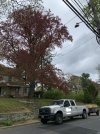
Heartwood is mostly dead cells caked with waste products. When trees lose heartwood, they are flushing their toilets. Here are 4 trees in 'high target' areas, >80% hollow. I climbed them all and they were retained.

Kenophobia is the fear of emptiness. tree assessors need to recover from fear, loathing, and kenophobia.
GetClipboardImage.ashx
 

New threads New posts

Kask Stihl NORTHEASTERN Arborists Wesspur TreeStuff.com Teufelberger Westminster X-Rigging Teufelberger
Back
Top Bottom