- Location
- Retired in Minneapolis
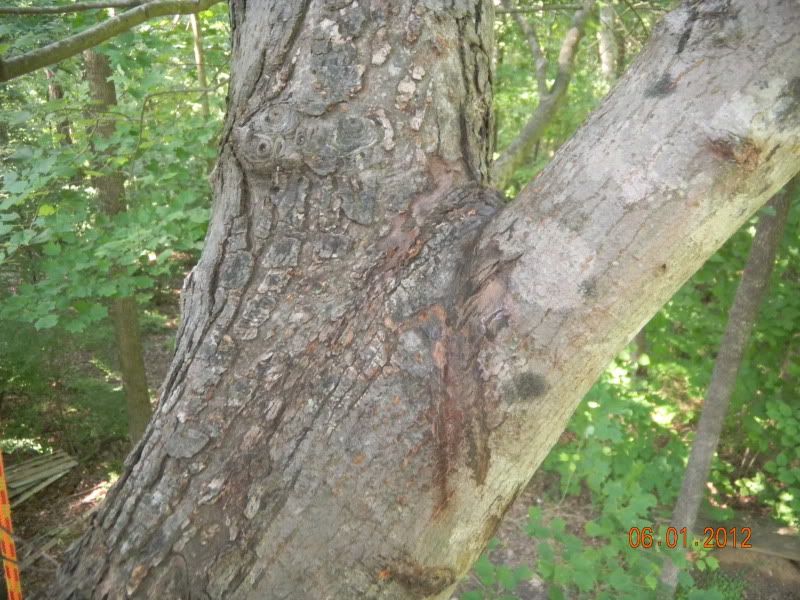
There is concern about cambium damage at the primary redirect or even the secondary redis when using a base anchor. This might be valid, I haven't seen a tree where that was a concern to me. Thin barked trees in the spring are the most likely to be damaged.
In all my years of climbing I've only seen ONE damaged TIP. As I was ascending into a hackberry I spotted 'the TIP'. when I got to the TIP I found that someone else saw the same target They had done the sideprune for the pole-pole electric lines.
Now that most people have smart phones or carry small cameras it's soooo easy to document anything.
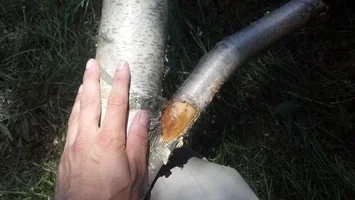
I'd like to get ANY pictures of cambium, or even bark, damage from the rope moving.
My goal isn't to prove that damage is occuring, I'm pretty sure it is. But, who goes back to the primary redi and checks to see after they've climbed? It's likely going to be years before another climber enters the tree. What I would like is examples, that's all.
Thanks!
In all my years of climbing I've only seen ONE damaged TIP. As I was ascending into a hackberry I spotted 'the TIP'. when I got to the TIP I found that someone else saw the same target
They had done the sideprune for the pole-pole electric lines.Now that most people have smart phones or carry small cameras it's soooo easy to document anything.
I'd like to get ANY pictures of cambium, or even bark, damage from the rope moving.
My goal isn't to prove that damage is occuring, I'm pretty sure it is. But, who goes back to the primary redi and checks to see after they've climbed? It's likely going to be years before another climber enters the tree. What I would like is examples, that's all.
Thanks!