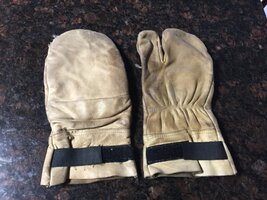
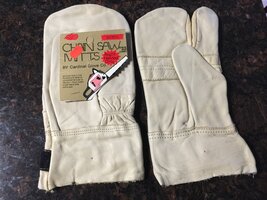
I will argue this point with you, Tom. In cold weather this method works absolutely against keeping you warm,
VBLs always create divisions. There are Skeptics and True Believers. I'm a TB here.
I don't have the patience or inclination to explain the concept of VBLs. The topic has been covered better and more in depth than I could ever do.
The basic concept of VBLs is to restrict the sweat to the skin layer. Contrary to perception this layer between skin and VBL becomes 'saturated' thenyour body stops sweating. Water vapor doesn't become damp or wet injsde the VBL.
Here's the way to give VBLs a test and see what you think.
On one hand, or foot, use a lightweight synthetic liner then the VBL glove/Sock. On the other use what you've always used.
While you're on morning shift note how each appendage is warm/cold.
Now, go to work. At lunch the first thing you do, while you're warm, is to change out and change systems, right and left. Take off the VBL system, dry your foot...but I've never had 'wet feet' under VBLs anyway...and put on a fresh typical setup. The VBL goes on the other.
Now, put in your afternoon shift. Make a mental note on how your Right and Left feel compared to morning.
Everyone that I know who has doe an objective comparison agree that VBLs work.
Now, adding waterproof/breathable IE Gore-tex type fabrics as shells is not really part of a VBL system. Its meant to keep your whole body, not hands and feet as we're discussing, dry in winter. Completely separate from hands and feet.
To deal with body sweat a good system of venting is needed. Pit zips at a minimum in a shell.
As far as insulation goes I don't think I have any body wear with Thinsulate. Boots and gloves, yes. I rely on fleece, Marmot down and synthetic poof fabrics for insulation.